
Experts to scan King Tut’s tomb for hidden secrets 93 years after discovery
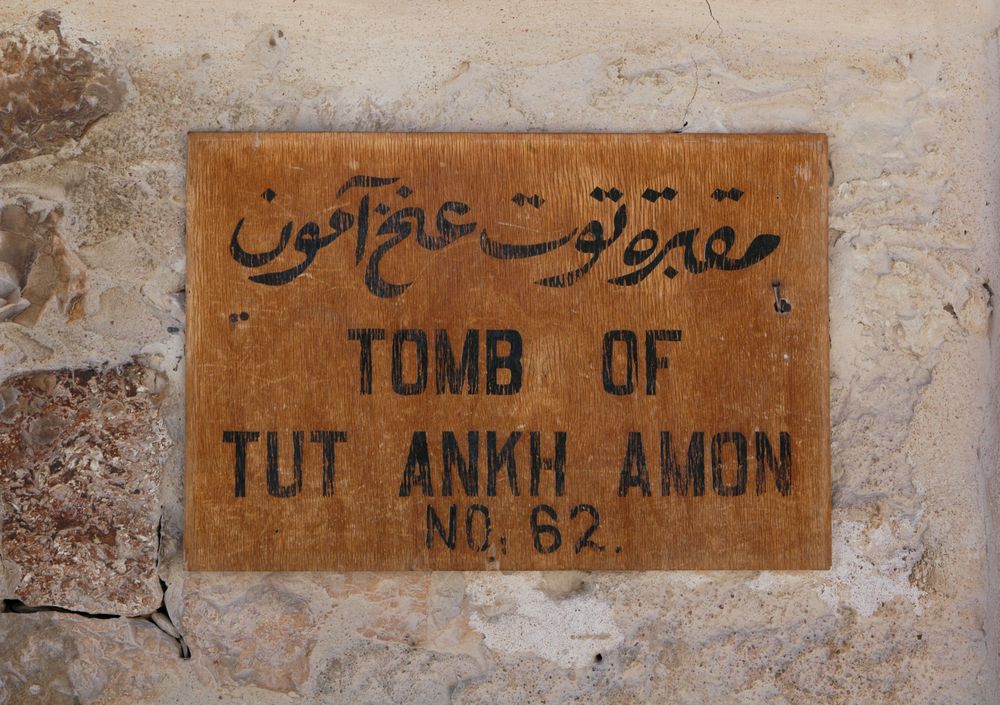
The Antiquities Ministry announced it would be overseeing the infrared scanning of Tutankhamun’s tomb on the 93rd anniversary of its discovery.
It is hoped the process will reveal hidden chambers within the tomb, and may shed light on whether or not it was initially constructed for Queen Nefertiti.
The scanning, in partnership with the Paris-based Heritage Information Preservation Institute (HIP Institute) and Cairo University’s College of Engineering, has been scheduled for November 5 and 6, according to a statement published on the ministry’s webpage.
This comes days after the ministry announced another international effort to scan the pyramids using high-tech scanning equipment, including the best non-invasive scanning visualization techniques.
The HIP Institute said it would utilize infrared thermography to scan King Tut’s tomb in search of hidden secrets.
UK scientist Nicholas Reeves claimed there might be hidden passageways and doors concealing Nefertiti’s tomb within that of King Tutankhamun’s.
The entrance to Tutankhamun’s tomb in the Valley of Kings, Luxor, was discovered by English archaeologist Howard Carter and his team of workers on November 4, 1922.
On November 26, 1922, Carter and fellow archaeologist Lord Carnarvon entered the interior chambers of the tomb and found them untouched, unlike the tombs of other pharaohs, which were typically looted and ransacked.
Undisturbed for nearly 3,200 years, Tutankamun’s tomb was full of treasures and other artifacts.
Tutankhamun, who reigned circa 1332–1323 BC, was a ruling member and pharaoh of the 18th Dynasty. He is believed to have died at just 18 years of age and to be the son of Pharaoh Akhenaton — Egypt’s first monotheistic ruler.
Akhenaton’s wife was Queen Nefertiti, although she was not Tutankhamun’s mother. Nefertiti’s remains have not yet been unearthed.

أخبار ذات صلة
Looking back to see the present through the Grand Egyptian Museum
The coincidental nature behind the establishment of the Grand Egyptian Museum
Staging a grand opening for the grand museum
In Cairo, sidewalks have been repainted, screens set-up and security measures tightened. People living nearby say fireworks have been test-run in Giza.…
Where next for world heritage after Egypt finally wins top UNESCO position?
Conservationists express skepticism about Enany given the new UNESCO head's checkered past
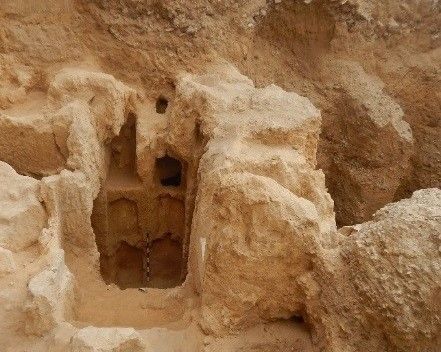
Archaeologists discover 2,000-year-old mausoleum in Alexandria
A 2,000-year-old mausoleum containing approximately 300 artifacts was unearthed by a team of Egyptian archaeologists in Alexandria
Your support is the only way to ensure independent, progressive journalism survives.
You have a right to access accurate information, be stimulated by innovative and nuanced reporting, and be moved by compelling storytelling. Subscribe now to become part of the growing community of members who help us maintain our editorial independence.
Join us