
Expansionary economic roadmap in the works
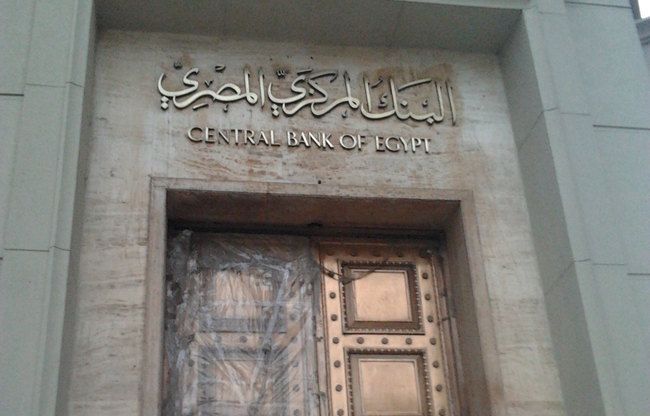
The Cabinet is aiming for an economic growth rate of 3.5 percent this fiscal year, which it hopes to achieve by adopting expansionist economic policies as opposed to austerity measures, said Planning Minister Ashraf al-Araby during a news conference on Monday.
Prime Minister Hazem al-Beblawi met with economic advisors on Monday to discuss drafting an economic roadmap and determine the government’s action plan in the coming period, including establishing a timeline for both urgent and long-term projects, reported the state-run Al-Ahram news site.
The roadmap would detail the financing needed to secure Egypt’s energy needs and basic commodity supplies, as well as address the problems of unemployment. Statistics released by CAPMAS early Monday found that youth unemployment reached 28.3 percent in 2012.
Al-Ahram quoted Araby as saying that the government is optimistic that lowering interest rates on borrowing would have a positive effect on the credit granted to banks.
The Central Bank of Egypt lowered interest rates for the first time since 2010 last week, preferring to boost economic growth rather than tackle inflation. The Monetary Policy Committee decided to cut the overnight deposit rate, overnight lending rate and the discount rate by 50 basis points, down to 9.25 percent, 10.25 percent and 9.75 percent, respectively.
Araby said that according to the latest estimations, the state’s funding gap through June 2014 would reached US$19.5 billion, a figure that is currently being reevaluated along with the state’s financing needs.
Combating the widening budget deficit and the balance of payments is one of the top priorities of the economic roadmap, Beblawy said.
The Cabinet is aiming for a budget deficit of 10 percent, down from its current deficit of 11 percent, Al-Ahram quoted Araby as saying. He added that Egypt’s external debt stands at US$45 billion, which he called a “safe level.”
Social justice was highlighted as a vital part of the economic vision, by taking into account low-income citizens and avoiding further imposition of taxes.
Beblawi stressed the need to pay the dues owed to government contractors and completing infrastructure projects, namely those in housing, wastewater, transportation and electricity.

أخبار ذات صلة
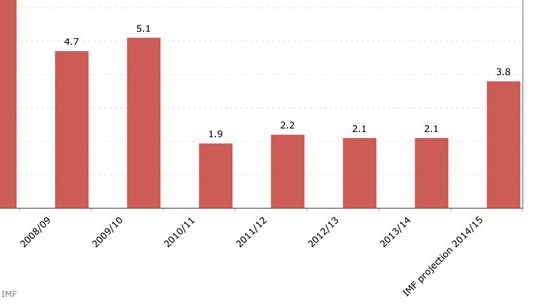
Minister: Egypt growth to slow to 3 percent in second half of 2014/15
Egypt’s economic growth is projected to slow to three percent in the second half of the 2014/15 fiscal year, Minister of Planning Ashraf…
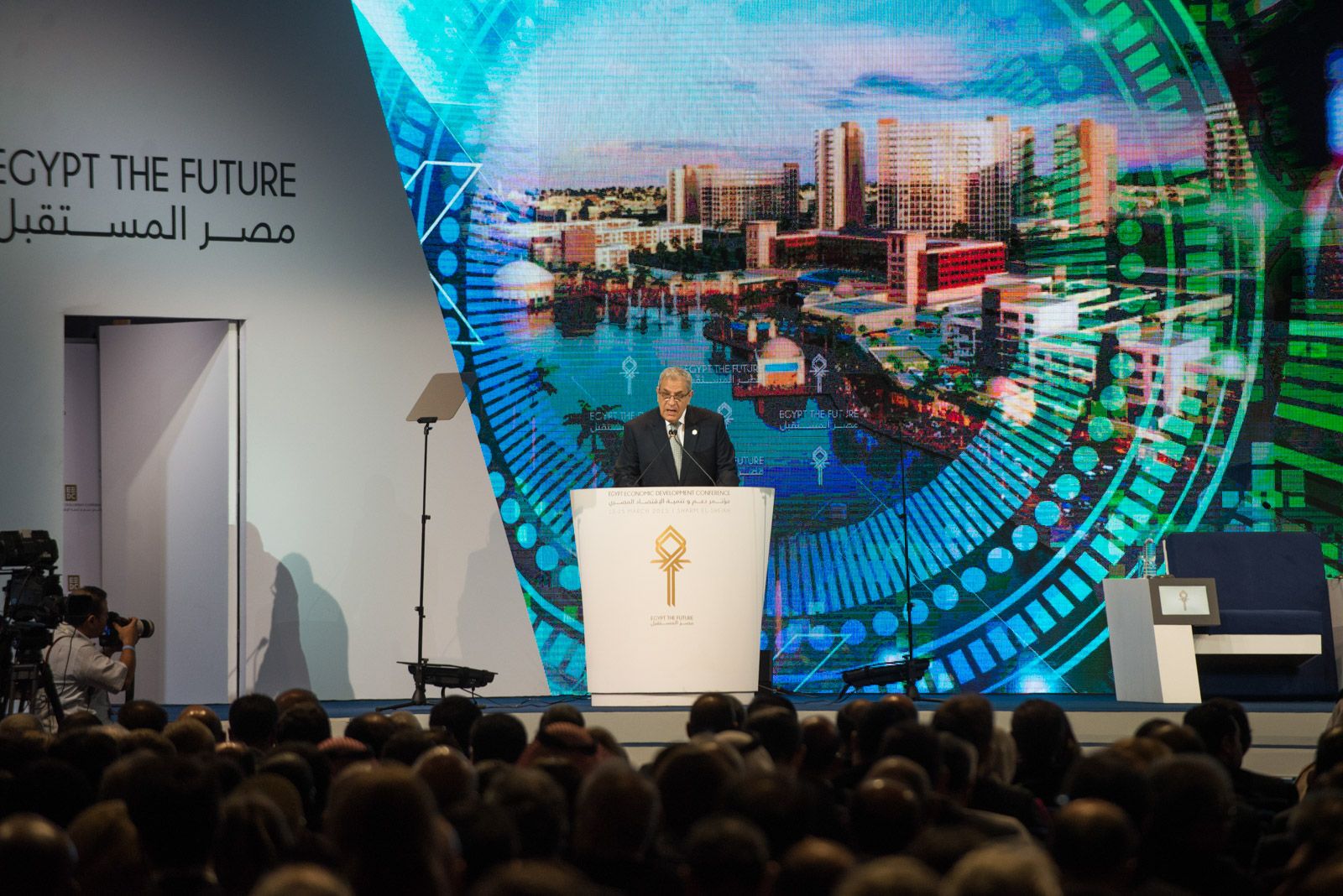
Officials defend recent reforms on day 2 of the EEDC
Prime Minister Ibrahim Mehleb opened day two of the Egypt Economic Development Conference by outlining the main points of Egypt’s economic program…

Euromoney conference begins Tuesday
The 2014 Euromoney Egypt conference, an annual event for policy makers and industry leaders to discuss and debate key economic issues, will…
Planning Minister: Fuel prices to increase “very soon”
Minister of Planning Ashraf al-Araby stated on Thursday that fuel prices will go up in the near future, adding that the increase…
Your support is the only way to ensure independent, progressive journalism survives.
You have a right to access accurate information, be stimulated by innovative and nuanced reporting, and be moved by compelling storytelling. Subscribe now to become part of the growing community of members who help us maintain our editorial independence.
Join us