
Electricity load reduction plan starts Tuesday

Starting tomorrow at noon, each neighborhood across Egypt will undergo scheduled, hour-long power outages, with the exception of Alexandria, where power outages are to stretch from 80 minutes up to 140 minutes in some neighborhoods.
Marsa Matrouh, Red Sea and South Sinai governorates are exempted, said Prime Minister Mostafa Madbuly, given that energy consumption is lower in those areas.
Hospitals, service buildings and strategic areas are to be exempted, he added, as are tourist and coastal areas, given that they contribute to public revenue.
The schedules announced by the government on Monday are part of its plan to reduce the load on the national grid, as high demand for power to cool the country through summer heatwaves has strained the supply of fuel resources.
As well as cuts in residential areas, which are due to last until the end of August or longer if temperatures remain high, the prime minister said last week that all civil servants except those with public-facing roles will work Sundays from home starting August 6.
Measures to rationalize electricity consumption in all public places managed by the government are also being rolled out, including caps on street lighting and power supply to advertising billboards, lighting for service buildings, and the provision of power to sporting facilities and clubs.
An additional US$250–300 million worth of fuel oil (mazut) will be imported until the end of August, Madbuly said on Thursday, to help supply sufficient electricity to power the country through the summer.
The Cabinet announced the full load reduction plan on Monday following coordination between the ministries of electricity and petroleum, according to the privately owned news outlet Al-Shorouk.
Power cuts beginning sporadically and intensifying during July have sparked public outrage, as people in low-income areas have experienced cuts lasting as long as four to six hours per day.
Government officials blamed the power outages on superlative demand for energy as the world undergoes the hottest July on record. High demand has depleted the availability of natural gas, which normally supplies around 80 percent or more of the national energy mix, officials said.
Nonetheless, more chronic issues, according to several political and energy sector sources who previously spoke to Mada Masr, could be at work. The sources noted maintenance issues at some of the country's power plants as well as a long-term slowing of natural gas supply.
Gas output reached its lowest in three years this May, with sources previously telling Mada Masr that production is down at the once-plentiful Zohr gas field, which supplies around 38 percent of national output.
While “more mazut could have been used to fill the gap in natural gas supplies amid strong demand,” said a House Energy Committee member who previously spoke to Mada Masr on condition of anonymity, no mazut reserves were available at the onset of the energy crisis to top up national power stations, “probably due to the lack of foreign currency.”
أخبار ذات صلة
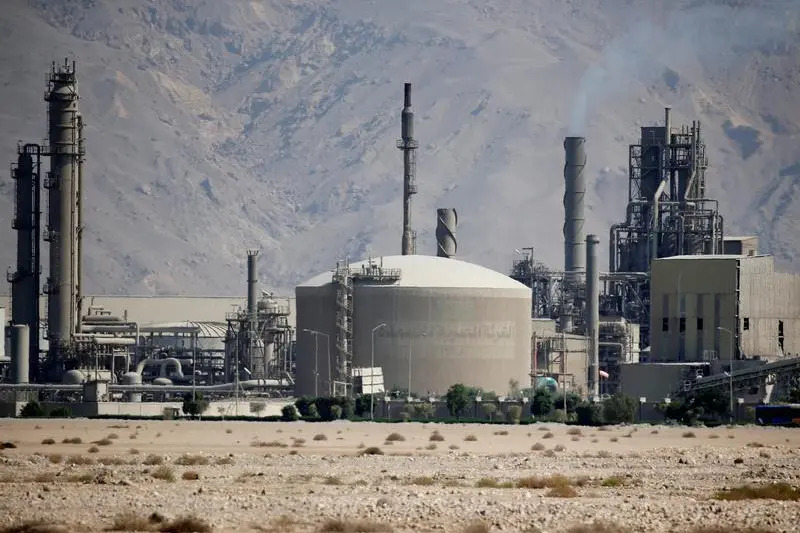
Govt weighs higher fertilizer export quota to offset rising fuel costs amid Iran war
The government is holding consultations to increase the price of gas it supplies to fertilizer manufacturers — the single largest energy-consuming industry in…

How is the government preparing for the summer energy deficit?
Just before daily temperatures in Cairo peaked 30 °C in the middle of winter, the president met with the electricity and renewable…
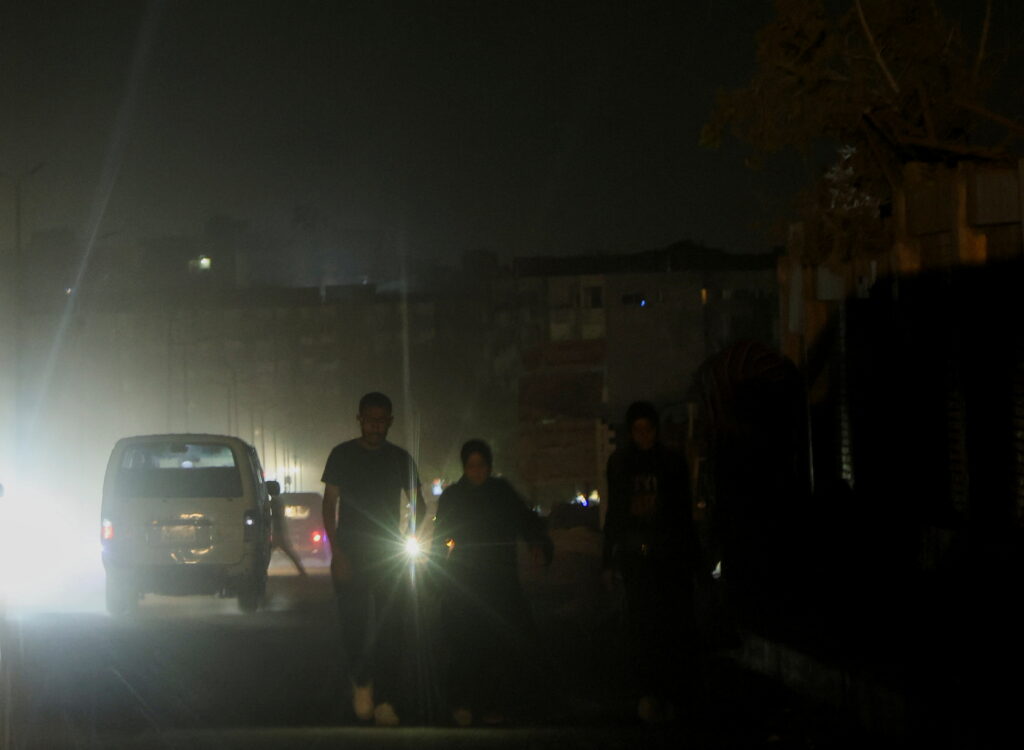
Power cuts hit Giza amid heatwave as unprecedented demand bares faulty national grid
The governorate deployed water trucks to supply the needs of citizens who have been without water fo
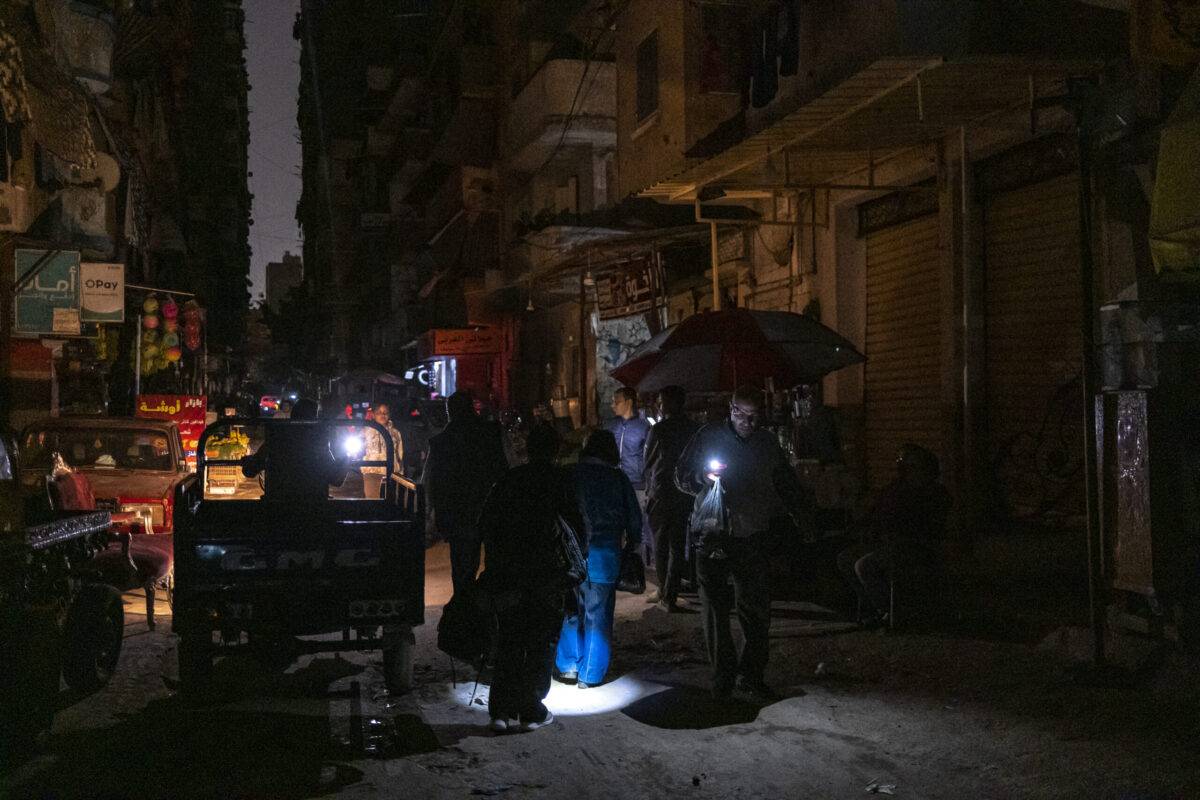
Govt imposes country-wide power rationing plan after complete halt in Israeli gas supply
With war breaking out between Iran and Israel and knock-on effects disrupting regional and international energy supplies, the government has decided on…
Your support is the only way to ensure independent, progressive journalism survives.
You have a right to access accurate information, be stimulated by innovative and nuanced reporting, and be moved by compelling storytelling. Subscribe now to become part of the growing community of members who help us maintain our editorial independence.
Join us