
Egypt quietly signs agreements with UK as talks of Sinai plane crash dominate Sisi’s London trip
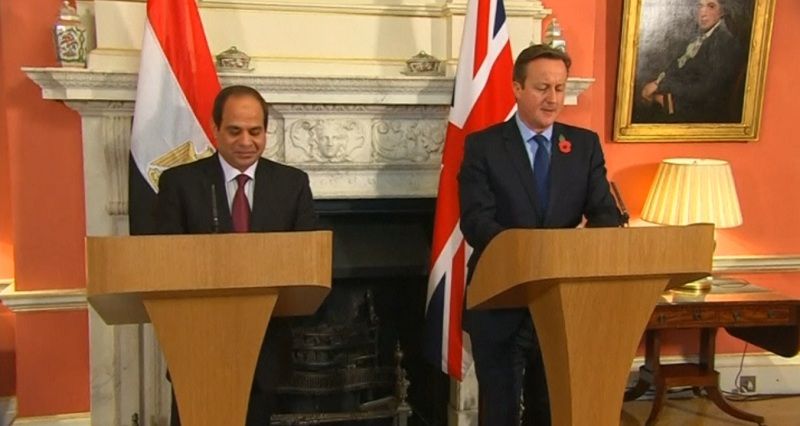
President Abdel Fattah al-Sisi arrived in London to meet with Prime Minister David Cameron on Thursday, but his visit was largely overshadowed by ongoing speculation over the cause of the Russian plane crash in Sinai that killed all 224 people on board last Saturday.
Protests organized by Sisi supporters countered opposition protests denouncing the president's human rights record during the first day of Sisi's visit. But the activists' complaints were not acknowledged by either leader during a joint press conference Thursday, where Cameron and Sisi both focused on the approximately 20,000 British tourists now stranded in Sharm el-Sheikh and Egypt’s security procedures at the resort town’s airport.
While Sisi was mid-air on his way to London Wednesday night, Cameron announced all UK flights to and out of Sharm el-Sheikh would be grounded due to concerns that a bomb was behind the fatal crash. He also announced that a team of British security personnel would be dispatched to the Sinai airport to assist in implementing security procedures there, a move that some commentators called unprecedented in its lack of trust in another government's ability to handle security.
“Almost a million British holiday makers enjoy Sharm el-Sheikh every year,” Cameron said at the London presser. “We recognize the importance of their visits to Egypt, and it is in our mutual interests to address this and get things back to normal.”
Sisi said he welcomed the British security teams deployed to the Sharm airport. He is willing to work with all of Egypt’s “friends” to show them that the airport is safe and has good security procedures, the president said.
The Sharm airport has come under fire for allegedly lax security that British officials believe may have allowed an explosive device to be planted on board the Russian airplane. Though they have yet to issue any details on the ongoing investigations, Egyptian officials have denied suspicions that the crash was caused by a terrorist attack. Throughout the week, they insisted airport security meets regulations and criticized other governments for unilaterally choosing to halt flights without working in concert with the Egyptian authorities.
While media has remained focused on the unfolding story of the crash, Sisi’s visit also yielded a memorandum of understanding (MOU) signed by Egyptian Foreign Minister Sameh Shoukry and his English counterpart Philip Hammond, the Egyptian Foreign Ministry said Friday.
The MOU stipulated that a training program would be developed at Cambridge University to improve Egyptian testing and admission practices as part of bilateral efforts to improve higher education.
The agreement also seeks to improve security coordination, especially in terms of staunching ideological extremism and preventing undocumented migration.
Security cooperation has been a top agenda item since Sisi took power and declared his war on terrorism. Arms sales from the UK to Egypt ramped up in 2015 — the UK government approved almost GBP150 million in arms export licenses from January to June of this year, according to government data compiled by activist group Coalition Against the Arms Trade.
Aside from security issues, a key motivation for Sisi’s visit to London was also to encourage British investment in Egypt and strengthen economic relations.
According to Central Bank of Egypt figures, the UK accounts for 4 percent of Egypt’s overall international trade, with a total trade volume of US$3.3 billion in fiscal year 2014/15. The trade relationship is weighted slightly in the UK’s favor, with imports from the UK amounting to US$1.8 billion and exports to the UK amounting to US$1.5 billion over the year.
British companies have major investments in Egypt, with energy companies like BG and BP involved in multi-billion dollar exploration projects in the country.
According to a widely circulated figure, investment from the United Kingdom often amounts to around 50 percent of Egypt’s annual foreign direct investment.
However, research by the Egyptian Initiative for Personal Rights indicates that much of that figure represents funds of unknown origin channeled into Egypt via British-held tax havens like the Cayman Islands and British Virgin Islands, making it nearly impossible to get an accurate figure for the United Kingdom.

أخبار ذات صلة

After over 24 hours in detention, French journalist Ariane Lavrilleux released late Wednesday
Lavrilleux was a co-author of articles on French defense cooperation with Egypt
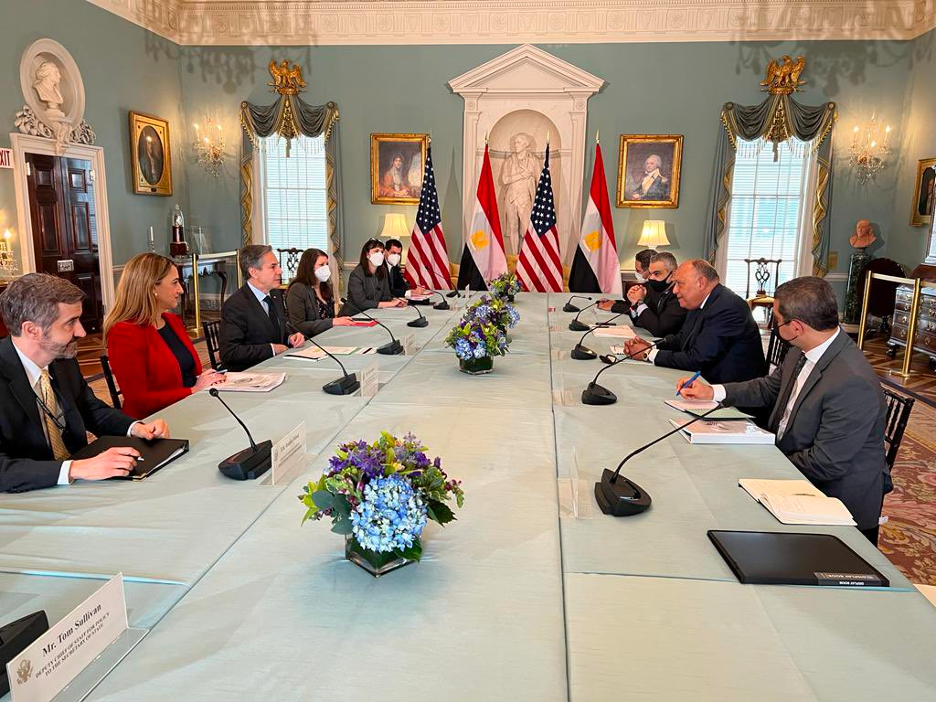
Shoukry’s DC charm offensive complicated by human rights concerns
The foreign minister's visit comes amid concerns in DC over Egypt's ambivalent stance on the Ukraine
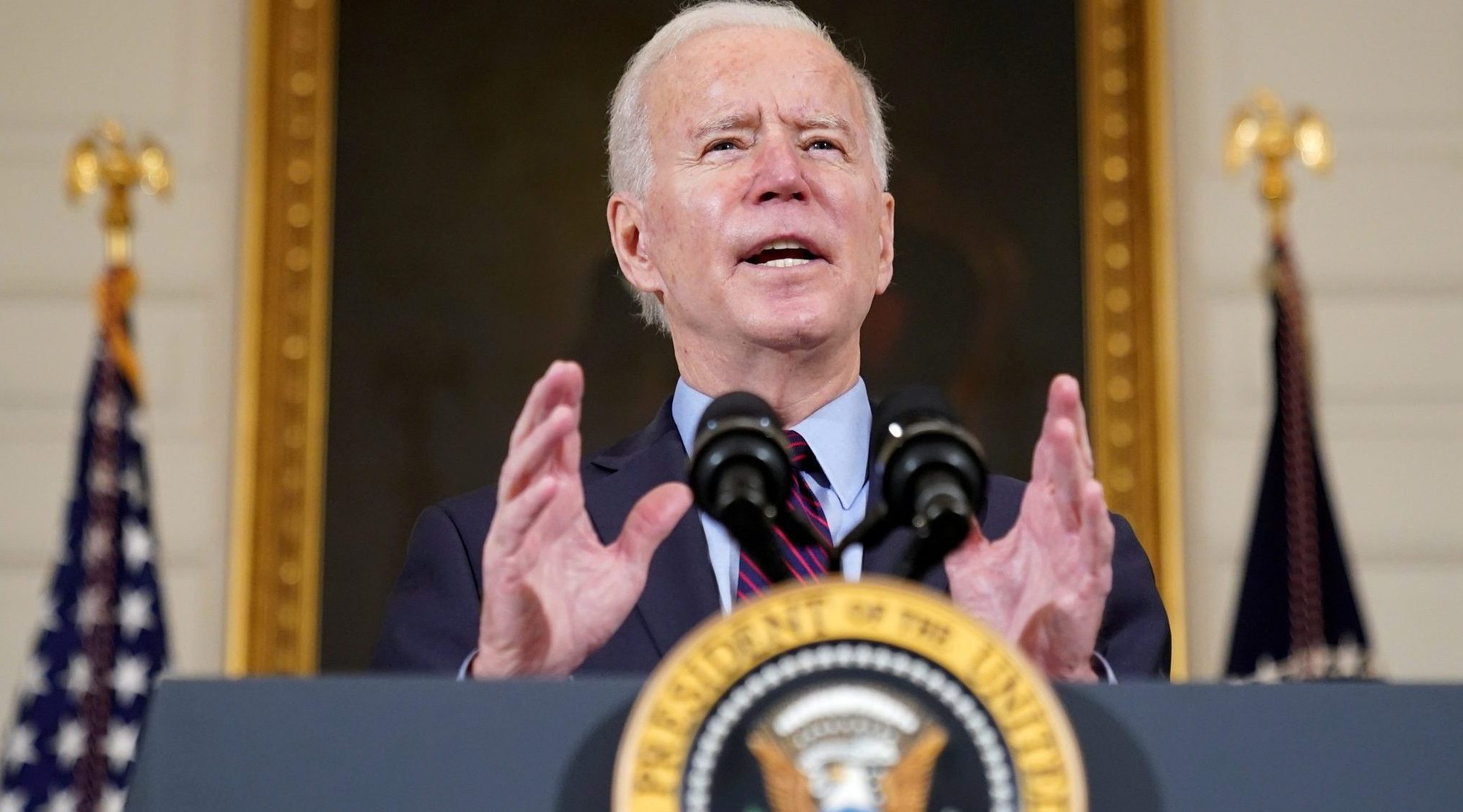
US approves $2.5 bn arms sale to Egypt despite human rights criticism
The US provides $1.3 billion in military aid to Egypt each year
The ‘Egypt Papers’: Here is what we know so far
French forces provided intelligence that led to at least 19 airstrikes
Your support is the only way to ensure independent, progressive journalism survives.
You have a right to access accurate information, be stimulated by innovative and nuanced reporting, and be moved by compelling storytelling. Subscribe now to become part of the growing community of members who help us maintain our editorial independence.
Join us