
Egypt-Qatar rapprochement gathers steam: Shoukry visit to Doha centers on GERD, Palestinian reconciliation
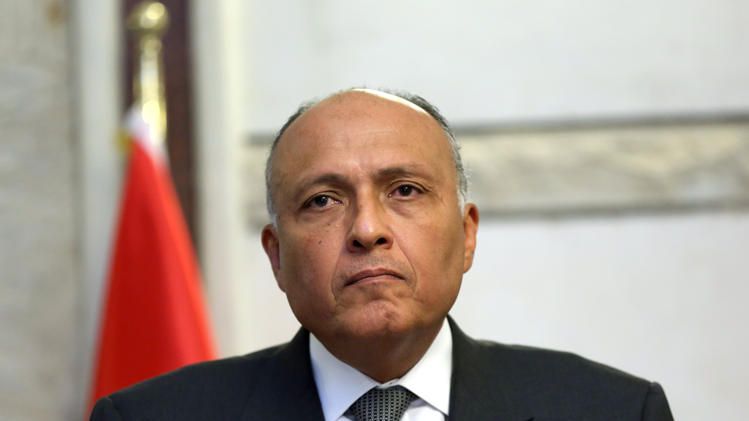
Foreign Minister Sameh Shoukry made his first official visit earlier this week to the Qatari capital of Doha since Egypt, the United Arab Emirates, Saudi Arabia and Bahrain imposed a blockade on their Gulf neighbor in 2017.
During the visit, which came as part of the Arab League foreign ministers meeting in Doha and follows the restoration of relations between the five countries, Shoukry met on Tuesday with Qatari Emir Tamim bin Hamad al-Thani and gave an interview to state-media outlet Al Jazeera, which has long been a target of criticism by Egyptian officials and media for its pro-Muslim Brotherhood coverage and criticism of the government of President Abdel Fattah al-Sisi.
In his interview with Al-Jazeera, the minister said that Egypt and Qatar are ready to turn the page on past issues and intensify cooperation.
This cooperation will center in the immediate term on mediation in Palestinian affairs and the contentious talks over the filling and operation of the Grand Ethiopian Renaissance Dam, according to an Egyptian official informed of the talks earlier this week who said that, though tentative, the talks could represent a turning point in Qatari-Egyptian relations amid shifting regional political alignments.
Qatari support for Egypt and Sudan’s position on the GERD was apparent during the Arab League meeting of foreign ministers, which concluded with a statement supporting the downstream countries’ actions in the United Nations Security Council against Ethiopia, and calling on the council to hold an urgent meeting to discuss the file and take measures to ensure a return to negotiations within a specific timeframe.
On the sidelines of the meeting, Shoukry and Thani discussed a Qatari proposal to mediate in the years-long contentious talks over the Ethiopian megadam, which Sudan and Egypt have repeatedly stated will threaten their water supplies.
According to the Egyptian official, Qatar is offering to allocate significant investments in the three countries to persuade Ethiopia to compromise and help Egypt and Sudan improve their water management.
While Egyptian-Qatari relations have been marked by friction in the aftermath of the 2013 ouster of former President Mohamed Morsi, Egypt has worked at the center of a geopolitical realignment in recent months with the election of Joe Biden as US President and as Egypt’s relations with the UAE become strained over numerous issues, including the Emirati presence in the Red Sea and Horn of Africa and intervention into Palestinian affairs.
In January, the UAE approached Sudan and Ethiopia with a proposal to act as an intermediary between the two, in an attempt to calm border tensions that have flared up in recent months over the fertile Fashaqa region on the Sudanese-Ethiopian border, an area which falls within Sudanese territorial boundaries but is settled by farmers from Ethiopia’s Amhara region. The UAE included the dam file as part of this proposal, according to an African diplomatic source who previously spoke to Mada Masr, with the possibility of including Egypt in the UAE-sponsored talks.
According to an Egyptian source, Egypt was hesitant about the UAE’s proposal to mediate, as Abu Dhabi had not provided Egypt any support in the negotiations on the dam, despite its economic influence and investments in Ethiopia. The UAE has its own interests in the Red Sea, an issue that the source thought makes it less keen to support Egypt.
However, after Sudan responded to the Emirati initiative with “some reservations” in early May, the UAE officially withdrew its proposal.
Nonetheless, Abu Dhabi is still very much trying to get Sudan and Ethiopia to reach an agreement on very much trying to get Sudan and Ethiopia to reach an agreement on Fashaga, according to Egyptian officials and informed sources, who added that it is possible that if Ethiopian Prime Minister Abiy Ahmed finds himself under a lot of pressure, he might try to benefit from the UAE diplomatic initiative.
While the Qatari proposal was described by one of the Egyptian governmental sources as representing a welcomed “objective shift in Qatari position towards Egypt,” the source remained cautious, saying that the proposal is still nascent and cannot be described as comprehensive.
“Expectations should be kept to a minimum because rapprochement will take time and there are a number of factors to consider,” the source said.
Qatar and Egypt are also preparing to bolster cooperation in Palestine, where Cairo’s role in securing a ceasefire between the Palestinian resistance in Gaza and Israel in May shored up its faltering influence in the wake of the August 2020 signing of the Abraham Accords — the US-UAE-brokered wave of agreements to normalize relations between Israel and the UAE, Sudan, Bahrain and Morocco.
Following the normalization agreements, Egyptian officials expressed concern their belief that the UAE was trying to present itself as a leading force in promoting normalization with Israel — a move that could severely curtail Egypt’s historical role as the principal mediator in the so-called Israel-Palestine peace process, an Egyptian official previously told Mada Masr. Egypt’s waning influence in Israel-Palestine affairs was a serious cause for concern given its lack of other strategic points of interest with the US administration of President Joe Biden, the source added.
However, Egypt’s role in brokering a ceasefire, alongside a number of capitals including Ankara, Paris, Doha, Amman, Washington DC and Berlin, won Egypt some praise from Biden, who was not planning to visit Cairo anytime soon but decided to do so after Egypt succeeded in brokering the ceasefire.
Now, Egypt is working to consolidate its gains and advance talks between Palestinian factions and Israel, despite initial the hiccups that saw Palestinian Authority President Mahmoud Abbas pull out from planned Egypt-hosted talks between Hamas and Fatah last week due to disagreements over the meeting agenda.
In Doha on Tuesday, Shoukry requested Qatar’s support in the Cairo-led mediation efforts, the official told Mada Masr, which would come in the form of pressure on Hamas to show leniency with the meeting agenda.
At the same time, the official said that Shoukry discussed arrangements for the reconstruction of Gaza that would allow the passage of funds, whether from Qatar or other donors, to Gaza in a way that serves the reconstruction without arousing the ire of Israel, which has insisted, alongside international players, that any reconstruction efforts be done away from Hamas.
In addition, the source added that there are preliminary talks of an Egyptian-Qatari agreement to have Egypt supply Gaza with natural gas needed to operate its power plants gas station and consequently the water and sewage stations in the besieged coastal enclave, provided that this comes with Qatari financial support.
During his visit, Shoukry delivered an official letter from Sisi to Thani inviting him to visit Egypt “at the soonest opportunity,” a similar message to that sent by the Qatari emir to Sisi a few weeks ago.

أخبار ذات صلة
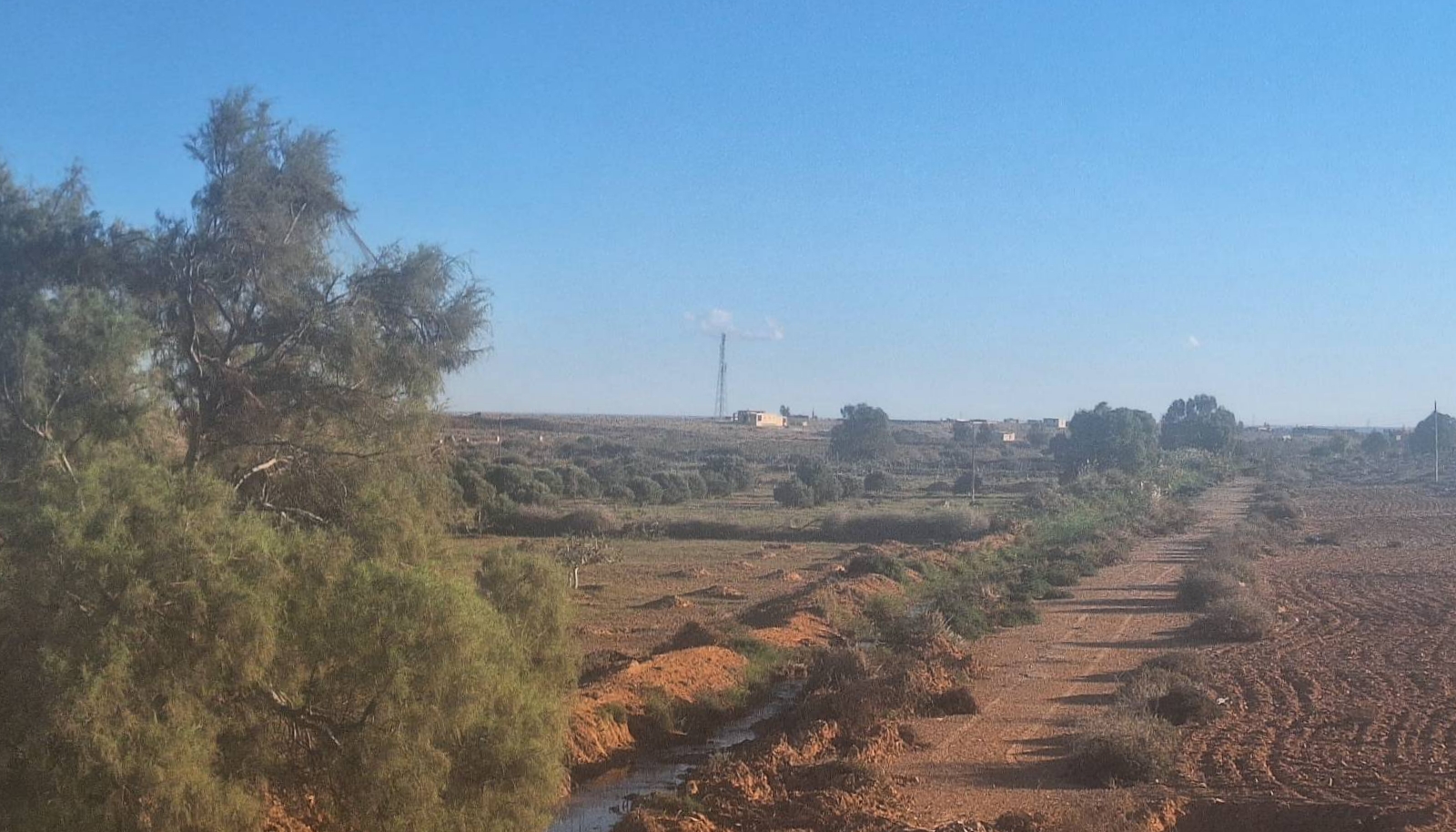
The flipside of Alam al-Roum: Semella farmers face eviction to make way for Qatari deal
“They’re going to be demolished anyway.” So said a security official to several residents of the Matrouh village of Semella last week,…
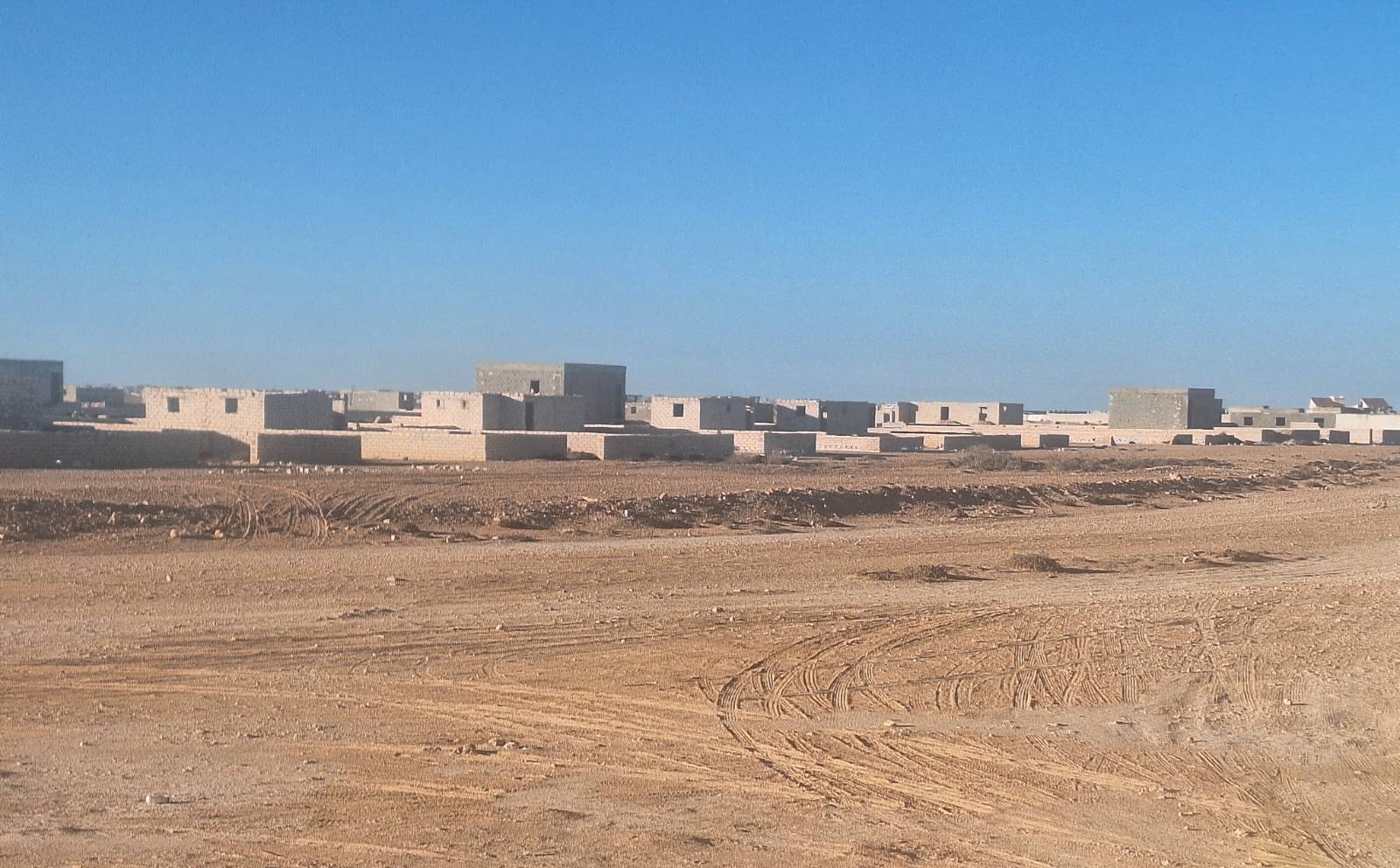
Residents confront demolition team in Matrouh village days after conclusion of Qatari development deal
A man was injured on Wednesday in Semella, Alam al-Roum as residents sought to prevent the forced demolition of a house in…

Hamas releases Israeli American soldier Edan Alexander as negotiations to end war resume under Israeli fire
Alexander, a 21-year-old soldier in the Israeli army who was raised in New Jersey, is thought to be
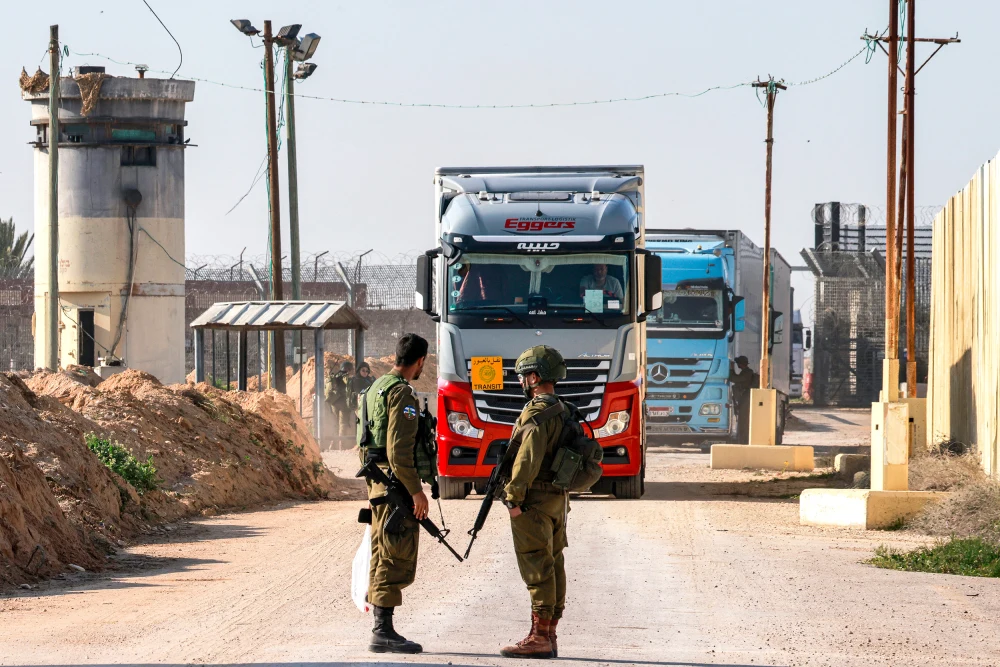
Egypt pushing for Gaza aid deliveries during hiatus to Israel’s attacks expected when Trump visits region
With wheels still spinning on the long-term truce proposal put forward last week, Egypt is pushing
Your support is the only way to ensure independent, progressive journalism survives.
You have a right to access accurate information, be stimulated by innovative and nuanced reporting, and be moved by compelling storytelling. Subscribe now to become part of the growing community of members who help us maintain our editorial independence.
Join us