
Egypt and Saudi Arabia sign energy deals worth $US350 million
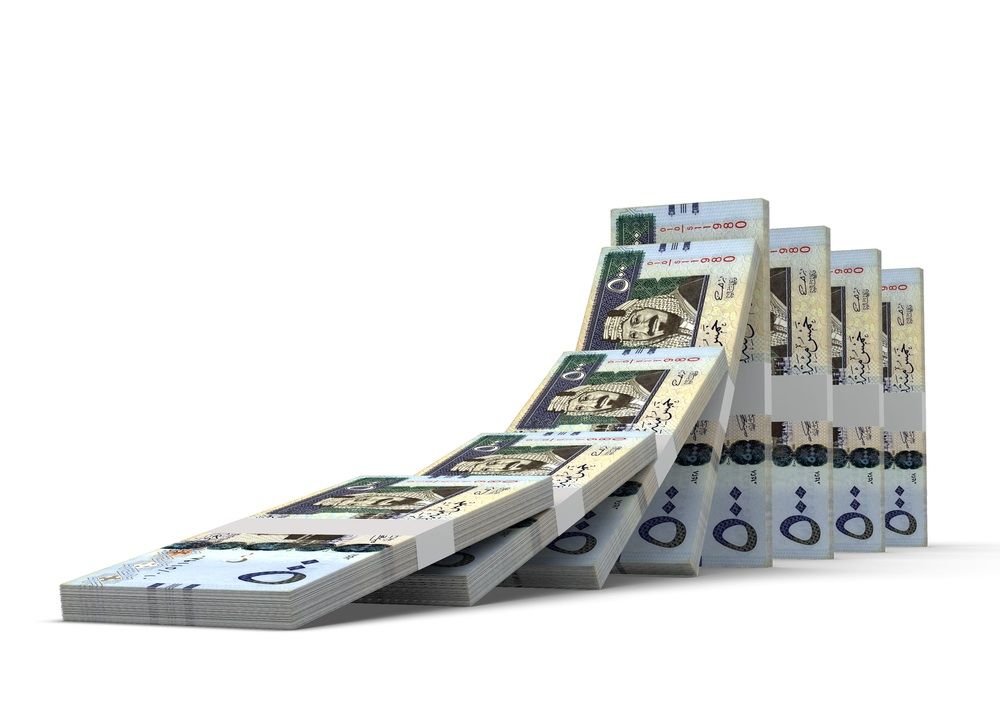
Saudi Arabia has signed three additional agreements with the Egyptian state for energy development projects, reported to be worth a total of US$350 million.
The Saudi Fund for Development is funding the initiatives, the largest of which entails the supply of petroleum products worth $250 million to the state-owned Egyptian General Petroleum Corporation.
Signed on Saturday evening, the energy development plans also include agreements for the upgrading of two electricity-generating stations: Al-Shabab, in Ismailia governorate, Suez Canal Zone, and West Damietta, in the Nile Delta governorate of Damietta, which are estimated to be worth $100 million.
According to Egypt’s state-owned Al-Ahram newspaper and the official Saudi Press Agency, the Al-Shabab and West Damietta power plants are to be upgraded with new turbines, adding 500 megawatts to the Al-Shabab power plant — giving it a capacity of 1500 megawatts, and 250 megawatts to the West Damietta power plant — raising its capacity to 750 megawatts.
The agreements were signed in the presence of Egyptian Prime Minister Ibrahim Mehleb, along with the ministers of international cooperation, petroleum, and electricity.
The deals are the most recent in a series of soft loans, with a low interest rate of two percent, to be paid over a duration of up to 20 years, with a grace period of five years.
A statement issued by the Saudi Development Fund on Saturday, pointed out that it has recently furnished Egyptian authorities with $500 million for development projects in sectors involving housing, drinking water, irrigation, sewage, electricity supply, and health care, as well as credit to finance the purchase of non-petroleum products worth another $750 million.
The fund’s statement also mentioned that the new agreements represent the latest installment of Saudi aid to Egypt since the uprising in 2011, despite the monarchy’s support of former President Hosni Mubarak.
Saudi funding has increased since the ouster of Islamist President Mohamed Morsi on July 3, 2013, and the election of current President Abdel Fattah al-Sisi. During Morsi’s year in office, Qatar was the primary benefactor of the Egyptian state, providing some $8 billion in aid, primarily in loans.
Since July 2013, Saudi Arabia, the United Arab Emirates, and to a lesser extent Kuwait, have moved to replace Qatar as Cairo’s chief financiers, while Egypt’s Central Bank has been gradually paying off loans to Qatar.
According to figures from the Central Bank of Egypt, an excess of $12 billion in aid from these three Arab Gulf monarchies has been pledged to the Sisi regime over the course of a year, including loans, grants and petroleum products. This is reported to include an estimated $9.5 billion in grants for the purchase of fuel supplies.
In response to this much needed aid, Sisi described Saudi Arabia’s King Abdallah as “the wise man,” and, “the elder of all Arabs for his role is supporting and aiding Egypt.”

أخبار ذات صلة
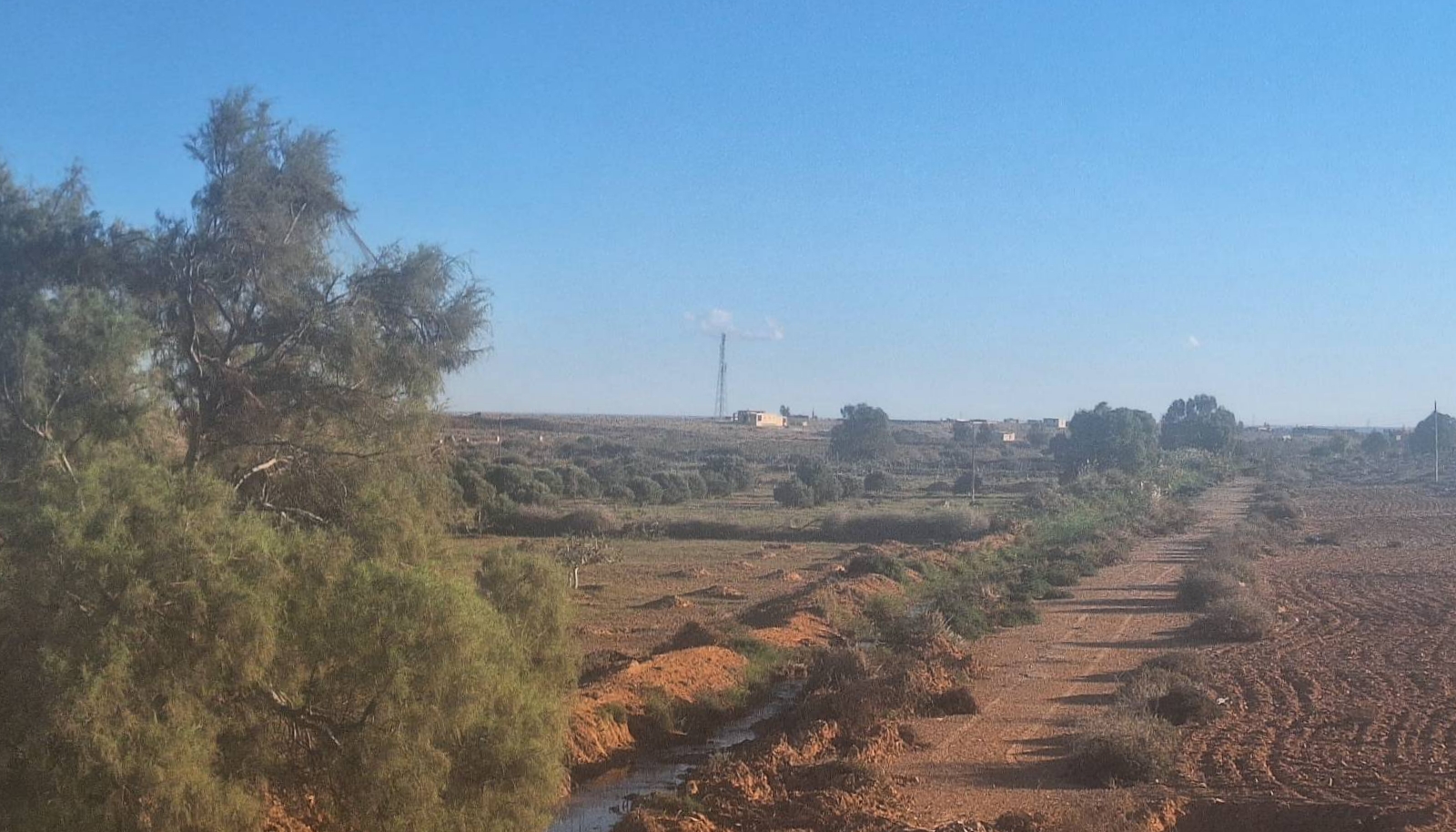
The flipside of Alam al-Roum: Semella farmers face eviction to make way for Qatari deal
“They’re going to be demolished anyway.” So said a security official to several residents of the Matrouh village of Semella last week,…
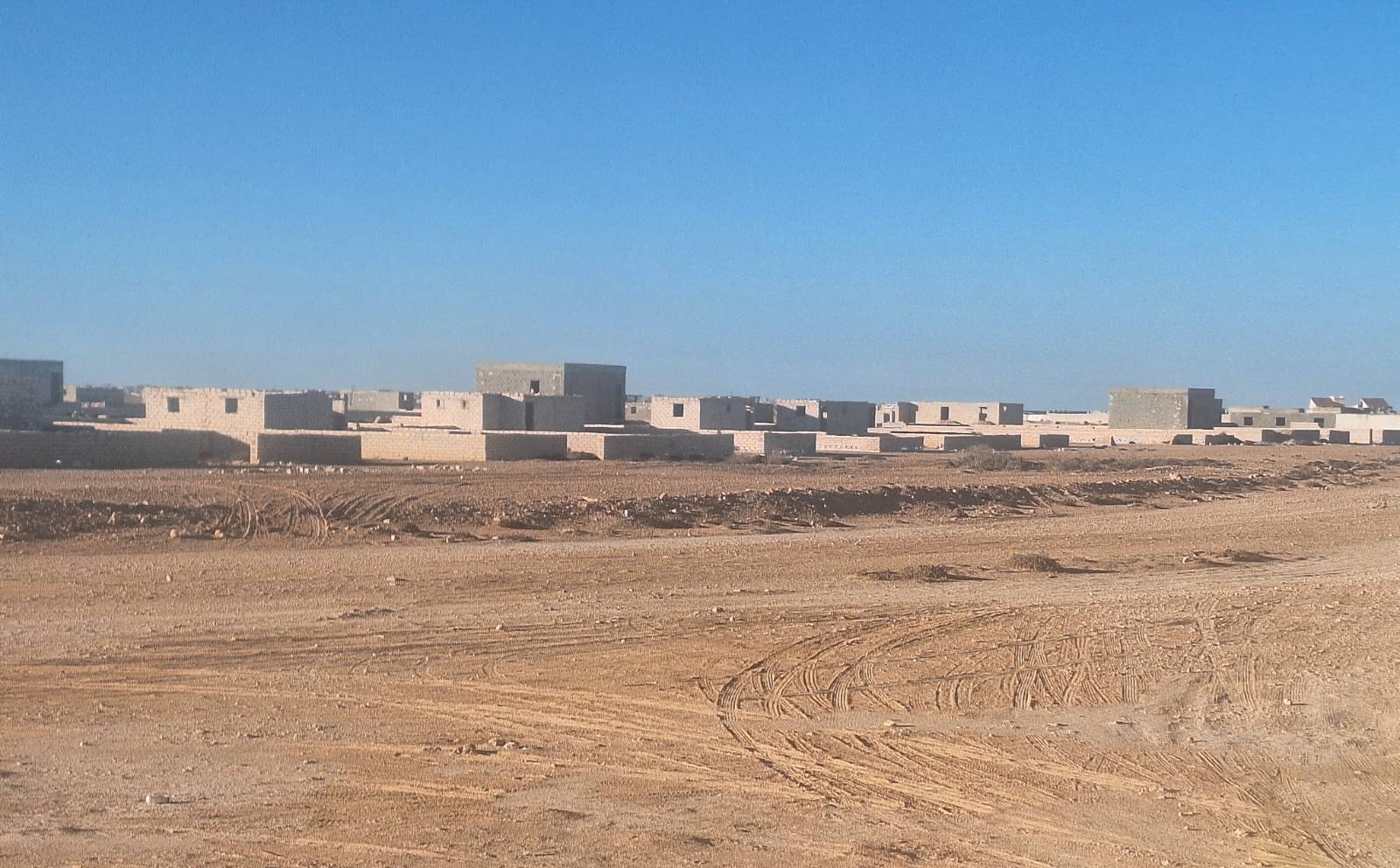
Residents confront demolition team in Matrouh village days after conclusion of Qatari development deal
A man was injured on Wednesday in Semella, Alam al-Roum as residents sought to prevent the forced demolition of a house in…

Hamas releases Israeli American soldier Edan Alexander as negotiations to end war resume under Israeli fire
Alexander, a 21-year-old soldier in the Israeli army who was raised in New Jersey, is thought to be
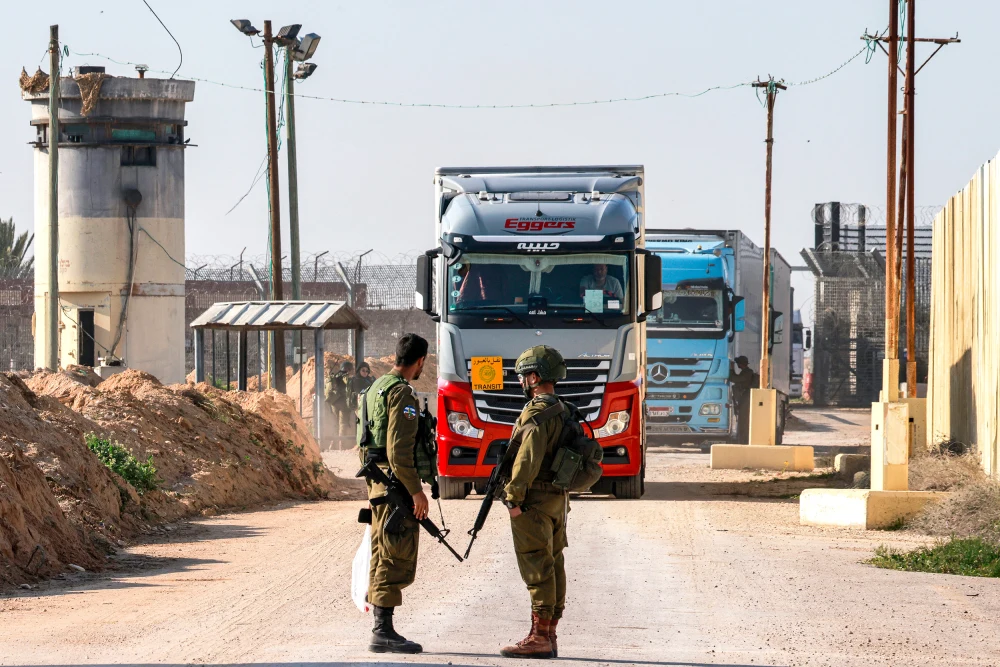
Egypt pushing for Gaza aid deliveries during hiatus to Israel’s attacks expected when Trump visits region
With wheels still spinning on the long-term truce proposal put forward last week, Egypt is pushing
Your support is the only way to ensure independent, progressive journalism survives.
You have a right to access accurate information, be stimulated by innovative and nuanced reporting, and be moved by compelling storytelling. Subscribe now to become part of the growing community of members who help us maintain our editorial independence.
Join us