
Central bank hikes interest rates, allows Egyptian pound to fall 11% against dollar

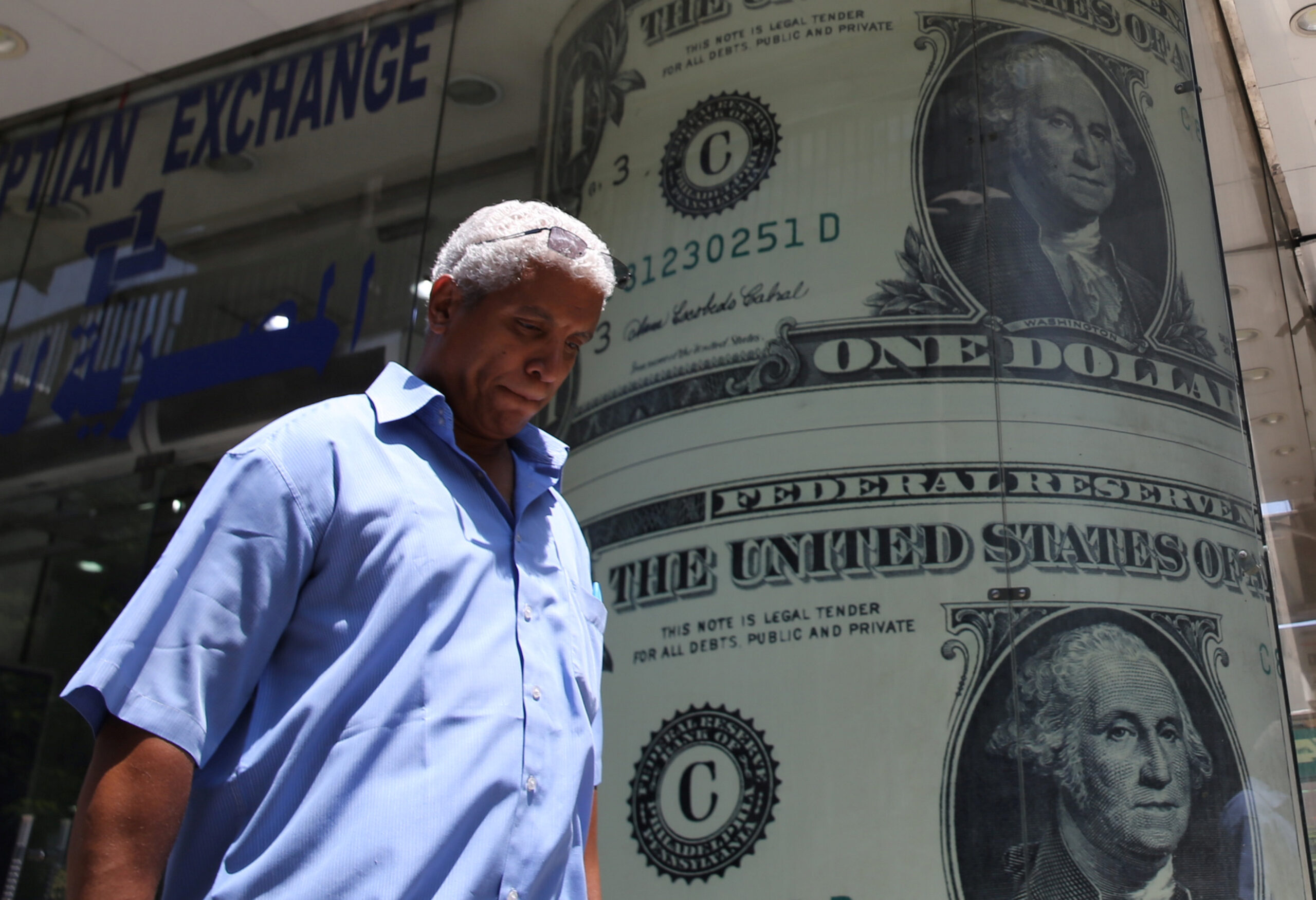
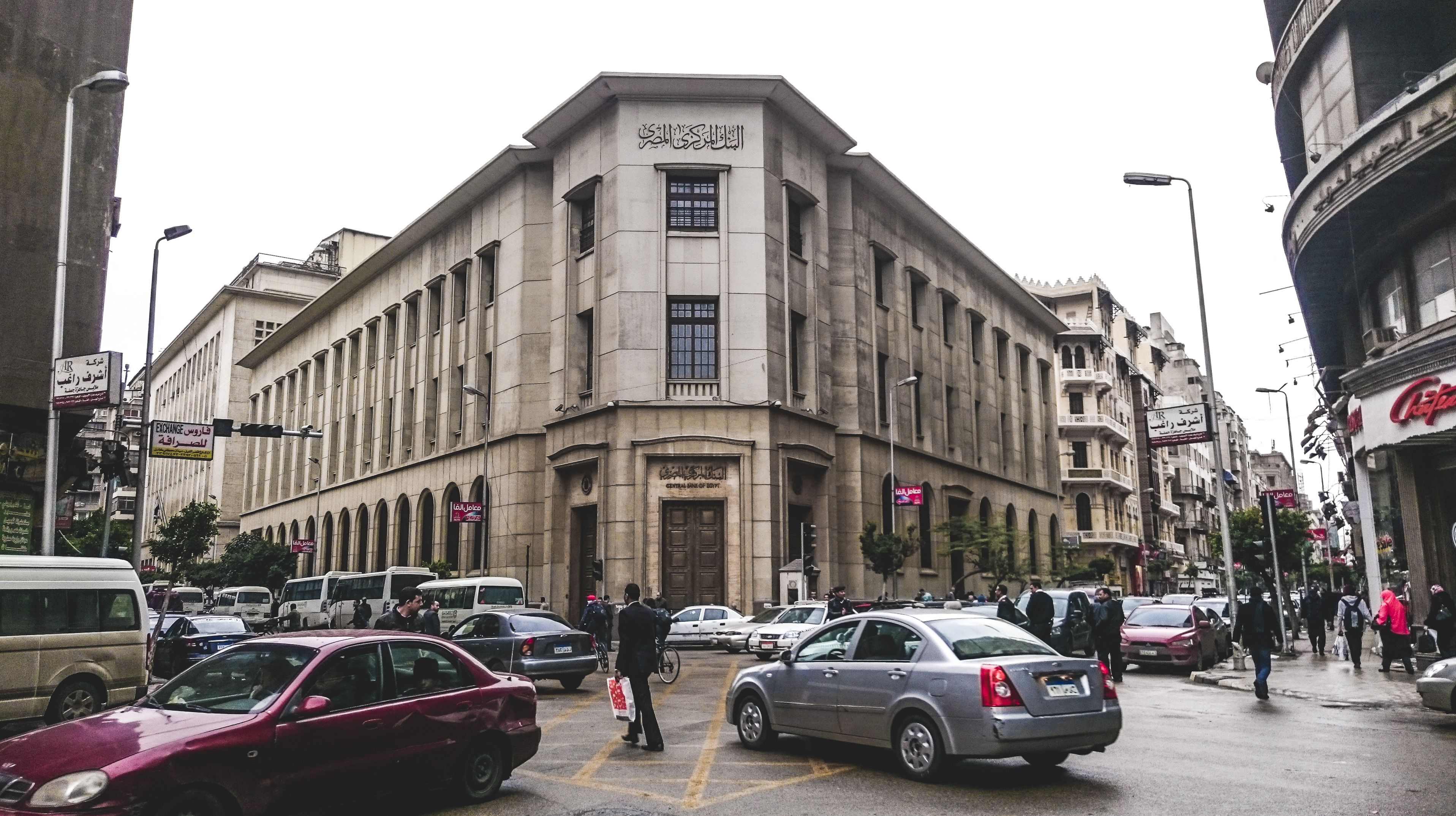
In a bid to halt capital flight from its bond markets, which has accelerated since the Russian invasion of Ukraine, Egypt’s central bank hiked interest rates and allowed the value of the Egyptian pound to fall against the dollar by 11 percent on Monday.
In an extraordinary meeting held three days early, the Central Bank of Egypt’s Monetary Policy Committee decided to raise interest rates by 1 percent across the board, increasing the deposit rate to 9.25 percent and the lending rate to 10.25 percent.
Alongside the interest rate hike, the central bank allowed commercial banks to set their own foreign exchange rate.
“Being keen on safeguarding the achieved macroeconomic stability, the CBE stresses on the importance of exchange rate flexibility to act as a shock absorber to preserve Egypt’s competitiveness,” the CBE said.
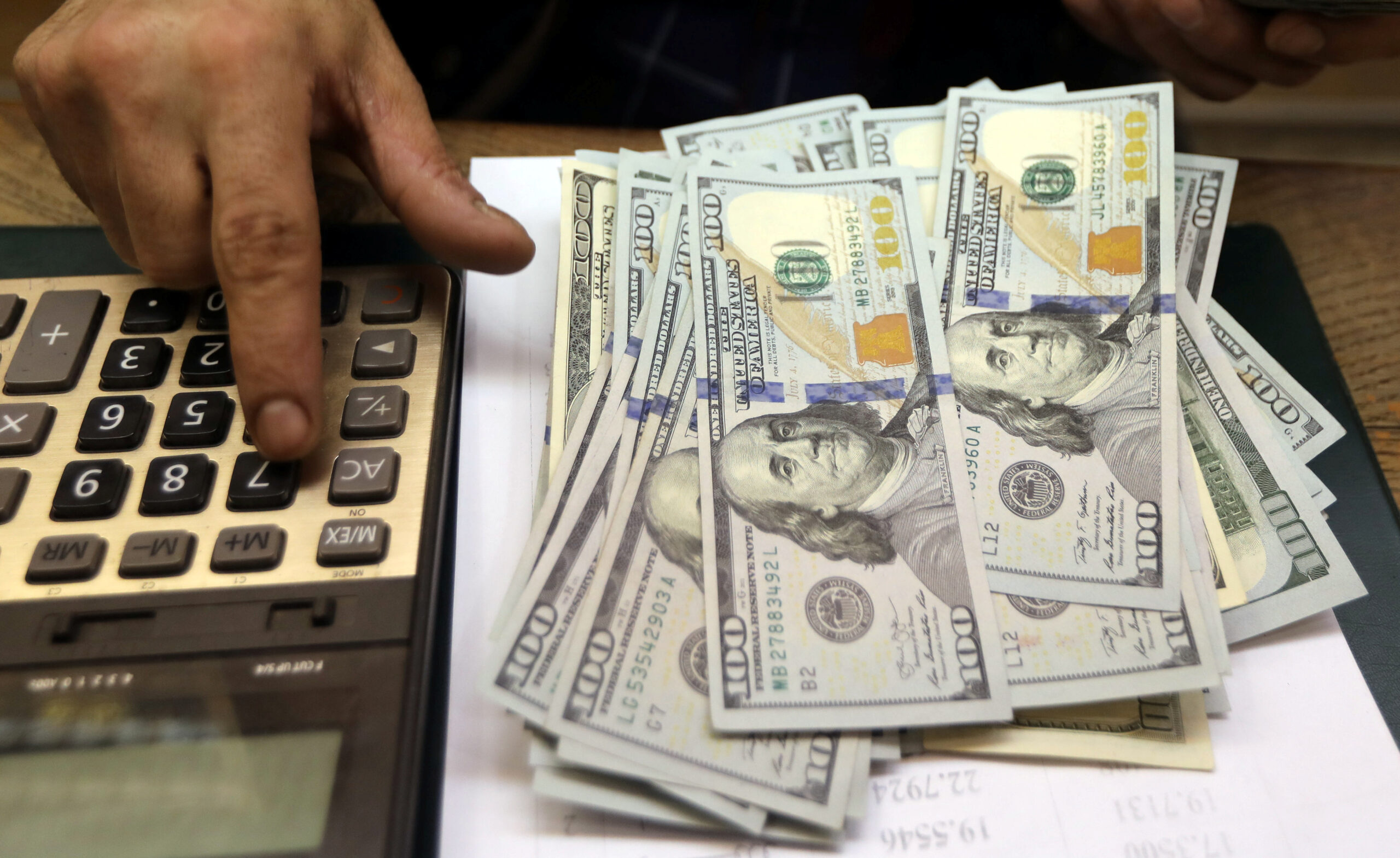
The effect of the central bank’s decision was felt immediately in the domestic banking sector, as the Egyptian pound lost 11 percent of its value over the course of the morning.
The exchange rate fell to a low of LE17.5 to US$1, having held steady for nearly six years, and was still fluctuating at the time of publication.
Despite liberalizing the exchange rate as part of a 2016 structural adjustment program, the central bank has operated a de facto peg since then that kept the pound’s value at LE15.7 to US$1.
To achieve this stability, the central bank enlisted the help of local commercial banks to supply any extra hard currency that the market might need.
The plunge in the pound’s value on Monday was greater than what experts had anticipated. Sources told Mada Masr in January that any decrease in the value of the pound — reportedly a point of discussion in exploratory talks for a new loan with the International Monetary Fund — would not exceed 5 percent.
It was unexpected for the central bank to undertake an uncontrolled float, said Mona Bedir, chief economist at Prime Securities, a leading brokerage firm. The central bank’s sudden deregulation of the exchange rate will likely lead to a significant increase in inflation rates, she added to Mada Masr.
The central bank is expected to continue to raise interest rates over the course of 2022 in order to confront inflation, now expected to increase by 400 points — 4 percent — compared to the 300 points projected before today’s decision, Bedir added.
Inflation in Egypt is linked to the price of the pound against foreign currencies due to the significant impact the exchange rate has on import prices and given the large trade balance deficit.
The central bank’s target for urban inflation has remained fixed at between 5 and 9 percent for the final quarter of fiscal year 2021/22. Yet, inflation in rural areas rose to 10 percent in February, while urban inflation has edged just over 8 percent, the highest levels recorded in almost three years.
Before surging global rates of inflation were compounded by Moscow's offensive on Ukraine, Egypt boasted one of the highest inflation-adjusted interest rates in the world, which helped it attract billions of dollars in investment into the local bond market.
However, as inflation has climbed upward, Egypt has lost its advantage, as real interest rates have fallen to -0.55 percent.
Billions of dollars left Egypt’s bond market in the immediate aftermath of the invasion, as investors pulled out of emerging markets, opting for what they perceive as safer ones. Foreign investors withdrew an estimated $3 billion in the first week of Russia’s attack, Reuters reported at the time.
In conjunction with the interest rate hike, the state-owned National Bank of Egypt and Banque Misr announced that they would be offering one-year savings certificates with an 18 percent payout upon maturity in another bid to keep capital in the country by offering lucrative incentives.
The flurry of monetary measures taken on Monday come as the government scrambles to deal with the economic fallout of Russia’s invasion of Ukraine, which has plunged commodity and energy markets into turmoil and caused a number of downstream economic effects.
أخبار ذات صلة

Priced out of protein
How the economic crisis has taken protein out of the mouths of Egyptians.
Egyptian pound plummets to record low against dollar, marking 50% depreciation over 1 year
The swing in exchange value is the fourth major depreciation of the pound over a one-year period
Out with the new, in with the old: Central bank doubles back on import regulations
The congestion has hampered industrial activity ranging from food production to construction
Central Bank of Egypt holds interest rate, takes other steps to control inflation
Why didn’t the central bank hike interest rates on Thursday to try and bring back foreign investors?
Your support is the only way to ensure independent, progressive journalism survives.
You have a right to access accurate information, be stimulated by innovative and nuanced reporting, and be moved by compelling storytelling. Subscribe now to become part of the growing community of members who help us maintain our editorial independence.
Join us