
Belgium to return 35,000 year-old skeleton of ‘Nazlet Khater man’ to Egypt
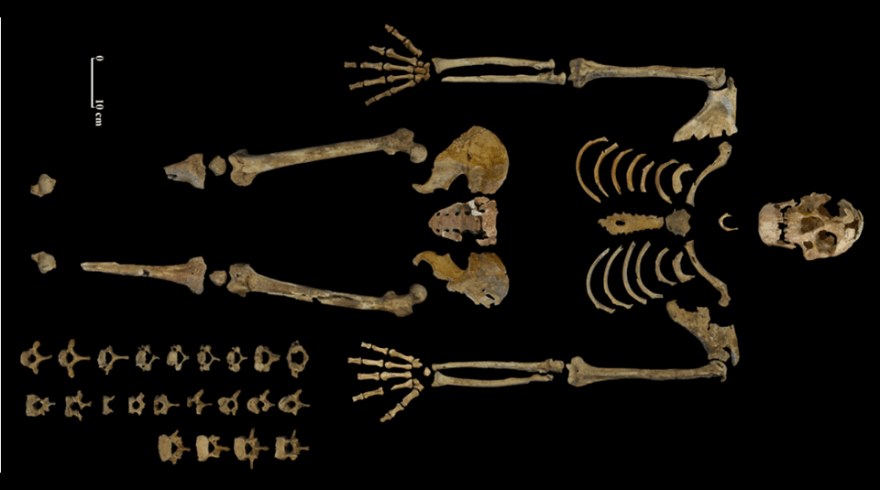
The "Nazlet Khater man," whose remains are among the oldest discovered in Egypt, is due to be returned to Egypt within the next few days.
Unearthed in 1980 near the village of Nazlet Khater, in the south-central governorate of Sohag, by a team of archaeologists from the University of Leuven, the skeletal remains of this prehistoric man were transported to Belgium where they have remained for the past 35 years, closely studied, analyzed and catalogued.
Posted on Wednesday, a statement on the official webpage of Egypt’s Antiquities Ministry confirmed that final diplomatic procedures for the return of this prehistoric man's remains have been completed, and that the "Nazlet Khater man" will be “repatriated within days.” However, the exact date of this repatriation has not yet been specified.
Another statement posted on the site of the State Information Service (SIS) claimed that the "Nazlet Khater man" is due “to be delivered under the supervision of the Egyptian Ambassador in Brussels, Ihab Fawzi, and a representative from the Egyptian Antiquities Ministry.”
Experts at the University of Leuven’s "Middle Egypt Prehistoric Project" state that the "Nazlet Khater man" was found buried in a grave, along with a primitive axe.
According to numerous paleoanthropological studies, the bones of "Nazlet Khater man" are amongst the oldest human remains to be excavated in Egypt, if not the oldest.
Leuven’s archaeologists are reported to have noted physical similarities amongst the skeleton of "Nazlet Khater man" and other prehistoric skeletons found in Egypt and Northern Sudan. Remains have also been discovered in Gabal Sahaba and Wadi Halfa, the deceased are believed to have lived and died around 12,000–11,000 BC and 9,000–6,000 BC, respectively.
Another one of Egypt’s oldest skeletal remains was excavated just north of Aswan, by the archaeological site of Wadi Kubbaniya and is believed to have lived sometime between the years 17,000–15,000 BC.
The "Nazlet Khater man" and all of other prehistoric skeletal remains in Egypt are said to have and lived during the Upper Paleolithic/Late Stone Age, a period of time around 50,000 to 10,000 years ago.
The statement from the Antiquities Ministry added that the final resting place of the "Nazlet Khater man" will be the National Museum of Egyptian Civilization, in the al-Fustat district of Giza.

أخبار ذات صلة

Looking back to see the present through the Grand Egyptian Museum
The coincidental nature behind the establishment of the Grand Egyptian Museum

Staging a grand opening for the grand museum
In Cairo, sidewalks have been repainted, screens set-up and security measures tightened. People living nearby say fireworks have been test-run in Giza.…
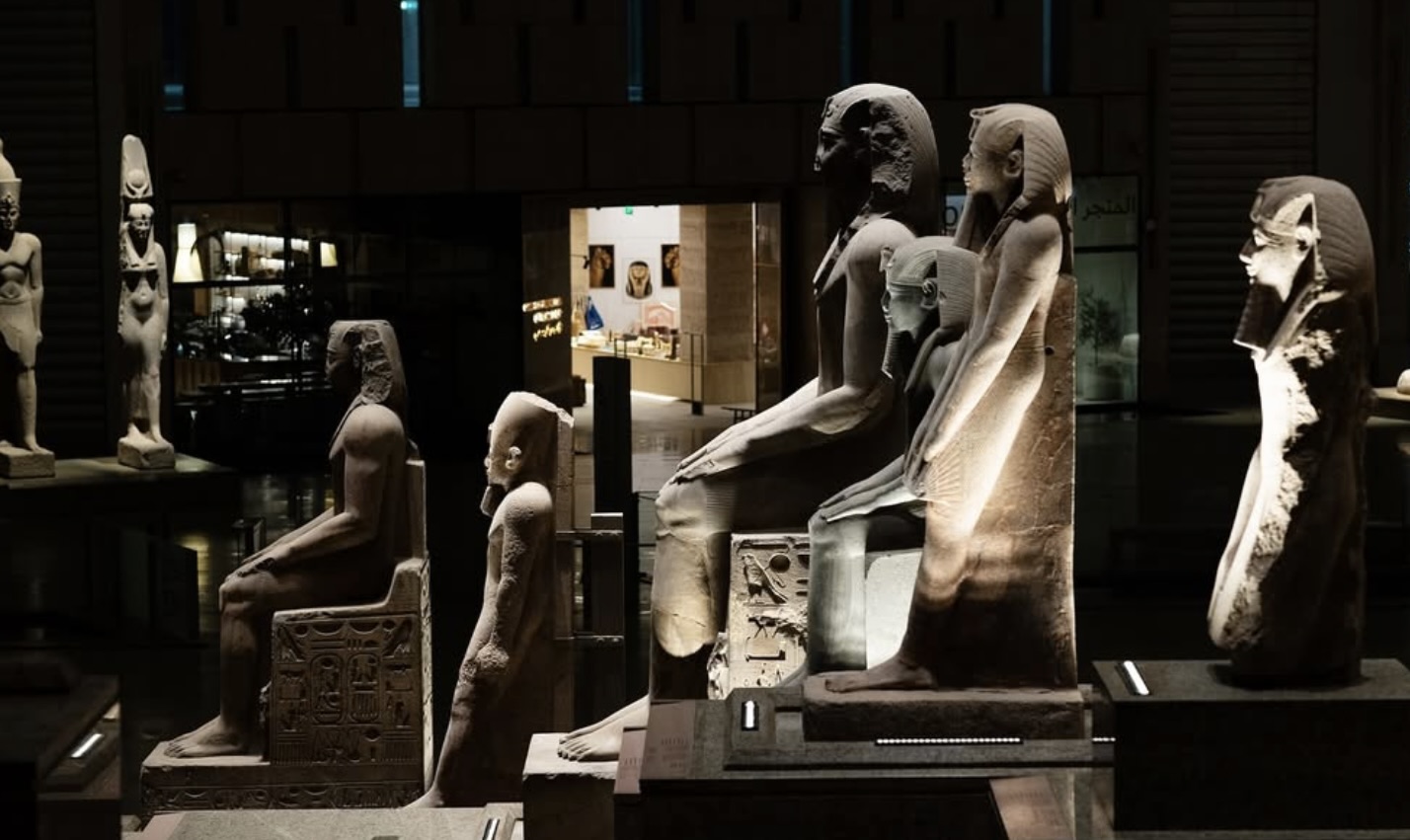
All around the Grand Egyptian Museum
The museum will not be open to visitors until after the three-day celebration
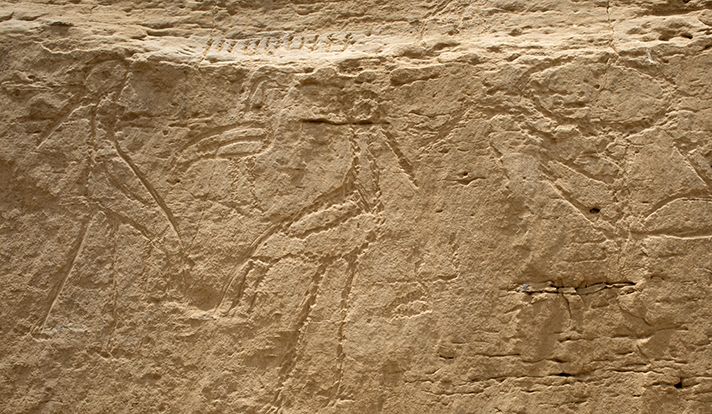
5,200-year-old rock inscriptions discovered in Luxor Governorate
A joint expedition of archaeologists from Yale University and the Royal Museums of Art and History was able to excavate several panels of rock…
Your support is the only way to ensure independent, progressive journalism survives.
You have a right to access accurate information, be stimulated by innovative and nuanced reporting, and be moved by compelling storytelling. Subscribe now to become part of the growing community of members who help us maintain our editorial independence.
Join us