
As households suffer 5-hour blackouts in major cities, PM claims power cuts to be phased out by end of July

Power cuts will continue to last for three hours per day until the end of the week, Prime Minister Mostafa Madbuly said in a press conference on Tuesday.
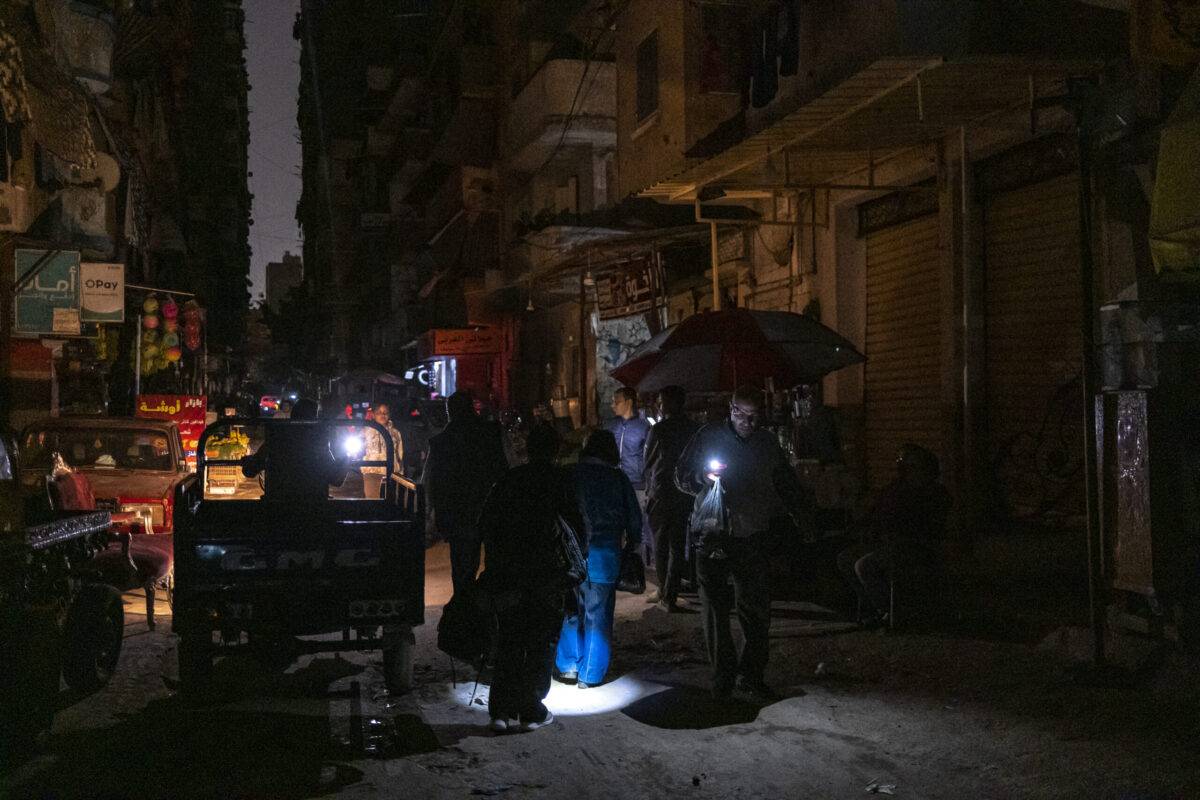
The conference was held to address rolling blackouts that have affected the entire country for as much as five hours per day in many areas amid Egypt's struggles with an energy deficit.
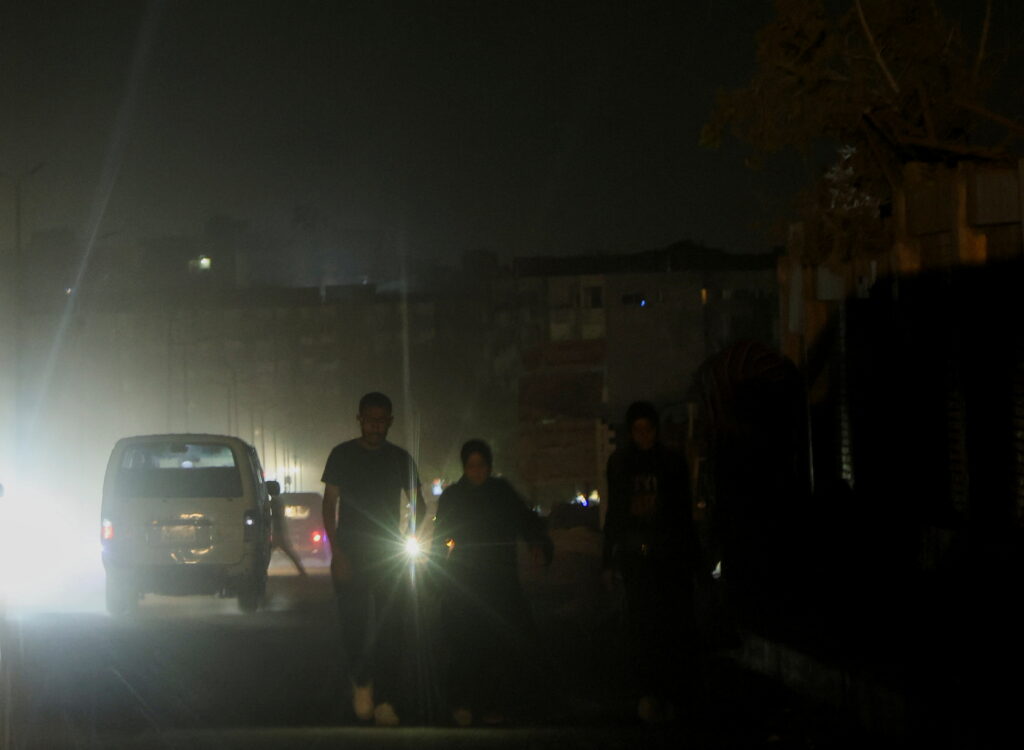
While power cuts were intended to last for three hours on Monday, citizens in various governorates reported much longer cuts taking place at times other than those designated by the state.
In Alexandria, citizens recorded total outages of five hours, with three-hour-long cuts in the afternoon as well as an additional two hours at night. A similar pattern was reported in some areas of Cairo.
In Egypt’s south, people have recorded cuts of up to 13 hours in length. MP Irine Saeed also called for the need to take into consideration temperature increases in various governorates, namely in Aswan and Luxor, where temperatures rose to unprecedented levels over the past months, and therefore demanded that the government put in place a plan and strategy to appease the public.
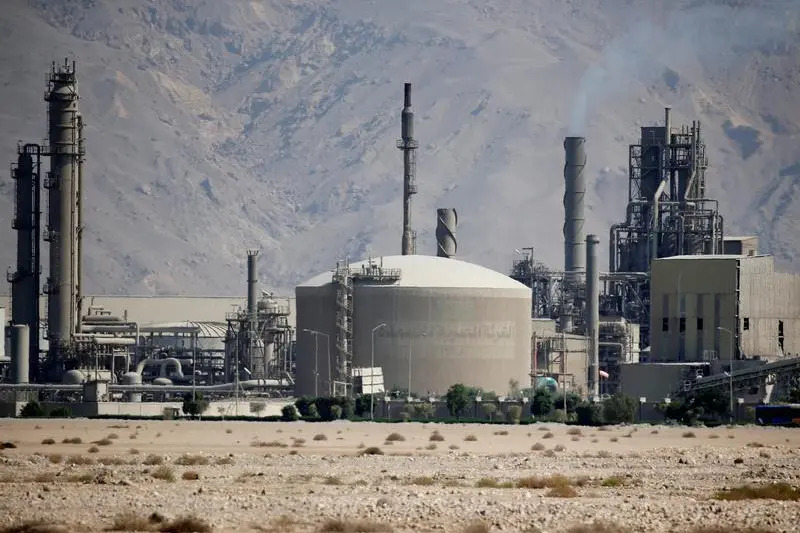
Fertilizer factories, which are among the largest consumers of gas in the industrial sector, have also been witnessing cuts in supplies since Sunday, according to sources speaking to Mada Masr. They added that this is the third incident of its kind in one month. Reports also indicated gas outages from a major petrochemicals manufacturer.
Several sources in the electricity and petroleum sectors told Mada Masr that natural gas pressure dropped to record lows in the national grid this week, prompting the supply issue for fertilizer factories and even putting several power plants out of service.
Madbuly said that the government was directing US$1 billion toward additional fuel imports to prevent the need for power cuts, saying that they would arrive by the third week of July. The prime minister said cuts would therefore return to two hours in duration by the beginning of July and would reduce in length thereafter, phasing out completely by the end of July.
Apologizing to citizens, Madbuly explained that the Monday decision to lengthen power cuts was due to one of the gas fields in one of Egypt’s “neighboring countries” going out of service for more than 12 consecutive hours, which led the government to take up to 24 hours to return to normal rates.
Since the beginning of Israel’s onslaught on the besieged Gaza Strip, fuel availability in Egypt has been severely impacted by several temporary closures of the Israeli Tamar gas field, which halted import volumes.
Egypt produces the majority of its natural gas and imports additional volumes from Israel. A small proportion of the total gas resources are exported, while the remainder is used to power the national grid and support industry.
However, the country’s fuel supply to demand ratio has become more precarious over recent years as national consumption has grown faster than supply.
In his announcement, Madbuly said he directed Petroleum Minister Tarek al-Molla to calculate the quantity of fuel oil (mazut) necessary to cover the local power network’s full capacity, and therefore, in cooperation with the finance minister and central bank governor, US$180 million were consecrated for increasing reserves in mazut by 300,000 tons.
The move comes after President Abdel Fattah al-Sisi ordered on Tuesday, a few hours ahead of Madbuly’s presser, for immediate steps to be taken to limit the duration of power cuts, for its “just distribution” between areas and governorates, and for the government to focus on ending the crisis as soon as possible.
Madbuly also indicated that consumption would be rationalized via a new plan starting in July, which would stipulate that shops close at 10 pm or 1 am at the latest in the case of pharmacies, supermarkets and restaurants.
Despite the government’s newly announced plan to deal with the energy crisis, the prime minister ended his speech by asking people to help the government by rationing energy consumption at home.
أخبار ذات صلة
Govt weighs higher fertilizer export quota to offset rising fuel costs amid Iran war
The government is holding consultations to increase the price of gas it supplies to fertilizer manufacturers — the single largest energy-consuming industry in…

How is the government preparing for the summer energy deficit?
Just before daily temperatures in Cairo peaked 30 °C in the middle of winter, the president met with the electricity and renewable…
Power cuts hit Giza amid heatwave as unprecedented demand bares faulty national grid
The governorate deployed water trucks to supply the needs of citizens who have been without water fo
Govt imposes country-wide power rationing plan after complete halt in Israeli gas supply
With war breaking out between Iran and Israel and knock-on effects disrupting regional and international energy supplies, the government has decided on…
Your support is the only way to ensure independent, progressive journalism survives.
You have a right to access accurate information, be stimulated by innovative and nuanced reporting, and be moved by compelling storytelling. Subscribe now to become part of the growing community of members who help us maintain our editorial independence.
Join us