
Arab League divisions derail Cairo’s desire to pursue diplomatic opening toward Syria following earthquake

Egypt, along with other member states in the Arab League, sought to pursue greater diplomatic openness to Syria amid the humanitarian crisis that ensued following the February earthquake, said two sources who spoke to Mada Masr on condition of anonymity.
But potential steps to formalize that openness — which arose via discussion of a joint step to extend humanitarian relief to Syria as a bloc — was stymied at a convention of the league in Cairo on Sunday due to opposition by some member states, said the sources, one of whom holds an official position and the other having been informed of the events on Sunday.
Saudi Arabia remains steadfast in its opposition to normalizing relations with Syria, according to the official. The United States is also projecting a firm rejection at present of any Arab rapprochement toward Syrian President Bashar al-Assad, the source said.
In late 2021, the Biden administration showed a greater openness toward Syria, as the Americans worked to facilitate a deal to transport Israeli gas to Lebanon via pipelines that run through Syria.
Egypt was to play a part as the nominal source of the gas in the lucrative project, which was to be financed via the World Bank, and had secured US assurance that the deal would not trigger sanctions. However, since Russia's invasion of Ukraine in early 2022, a key supporter of the Assad regime, and the increasing politicization of energy supplies, the project has stalled.
Following the February 6 earthquake, which left devastating wreckage in its wake, killing 6,000 people in Syria and over 36,000 in Turkey as of publication, Egypt sent three military aircraft to Syria to provide humanitarian assistance, while contact was made between the Egyptian and Syrian foreign countries. ministers.
President Abdel Fattah al-Sisi, the following day, made the first telephone call of his nine years in office to Assad and phoned Turkish President Recep Tayyip Erdogan as well. Cairo, said the official source, was keen to convey its condolences at the highest level, and could take additional steps over the coming days.
Egypt also delivered its aid to Syria via Damascus, contravening a position held by many countries that assistance should only be sent via Turkey to northern Syria, where the earthquake's impact was worst.
Cairo and Amman, said the sources, are among several league members seeking to move stagnant water in diplomatic channels regarding Syria, to make the most of the opportunity provided by the moment of catastrophe, which has mainly affected areas of northeastern Syria not under the control of the Assad regime, where groups including the Al-Nusra Front and Islamic State once had a strong presence.
Egypt, however, is inclined toward favoring a diplomatic end to the embargo on Syria, in the framework of an “Arab consensus,” said the official source.
The question of joint efforts from the bloc to provide humanitarian assistance to Syria arose on the sides of Sunday's league convention in Cairo, said the two sources, but was ultimately dropped due to concerns that the issue could entrench opposition among the participants.
Efforts to support Syria, noted the official source, are likely to be offered on a unilateral basis as they have been so far, and any diplomatic move toward Damascus will likewise be undertaken unilaterally.
Algeria chose on Sunday to hold back from articulating its customary position in favor of Syria's reinstatement to the Arab League, both sources said, in order to avoid provoking an opposing response from Saudi Arabia and Qatar.
The position of Saudi Arabia, with which Egypt has been at pains to retain a friendly relationship, remains steadfastly against Assad returning to the Arab League, against normalization with his government and against allowing Assad to use the humanitarian catastrophe to achieve his political interests, said the official source.
The US is also holding firm on its anti-Assad position, said the source, adding that senior US officials continue to reject a softening of relations with Assad in conversations with their Arab League counterparts.
Cairo's eyes are still trained on the US response to the gas deal, according to Pierre Duquesne, France's envoy on international support to Lebanon, who paid a visit to Cairo earlier this month and noted in statements to the financial outlet Al-Mal that Egypt is still awaiting assurances from the United States regarding exemptions from sanctions.
Cairo's push to use the earthquake as an opportunity to broach Syria's reintegration is not new, as ending the Assad regime's isolation has been a firm position held since Sisi assumed office.
Cairo believes that Assad's response to the 2011 revolution should not be the basis for the exclusion of Damascus from the Arab League, said the official source, since, "the political view is that Bashar was seeking to preserve the unity of Syrian soil and that it It was not possible for him to allow the Islamists to control the country in any way.”
And Cairo is not alone. Many Arab League governments hold the view that Syria's exclusion from the bloc based on Assad's response to the Syrian revolution is inconsistent with the collective's official rejection of the regional uprisings that began in 2010, the two sources stated.
أخبار ذات صلة
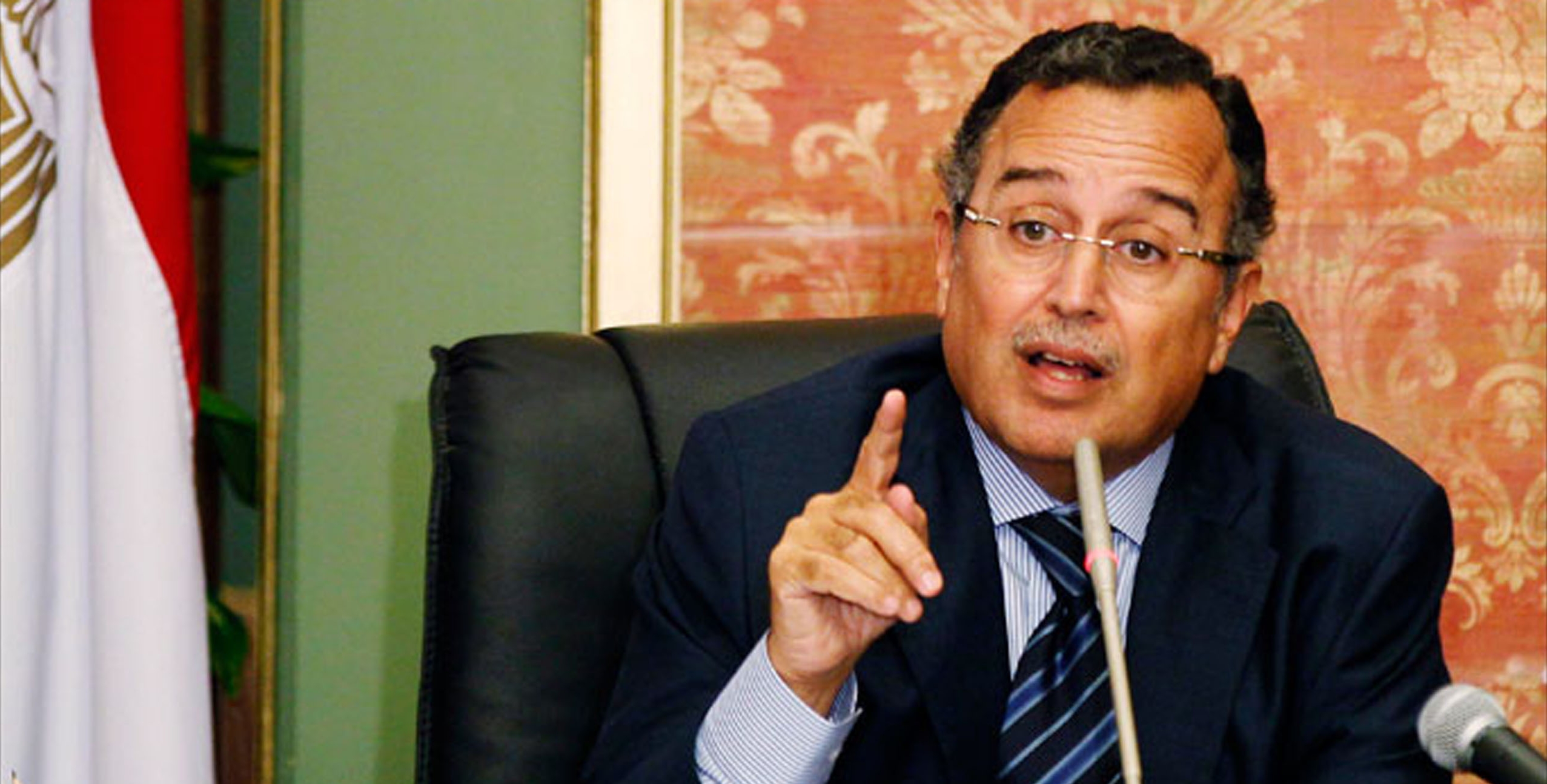
Former Foreign Minister Nabil Fahmy nominated to head Arab League
His nomination was announced by the ministry’s permanent delegation at the Arab League in a letter, obtained by Mada Masr, to the…
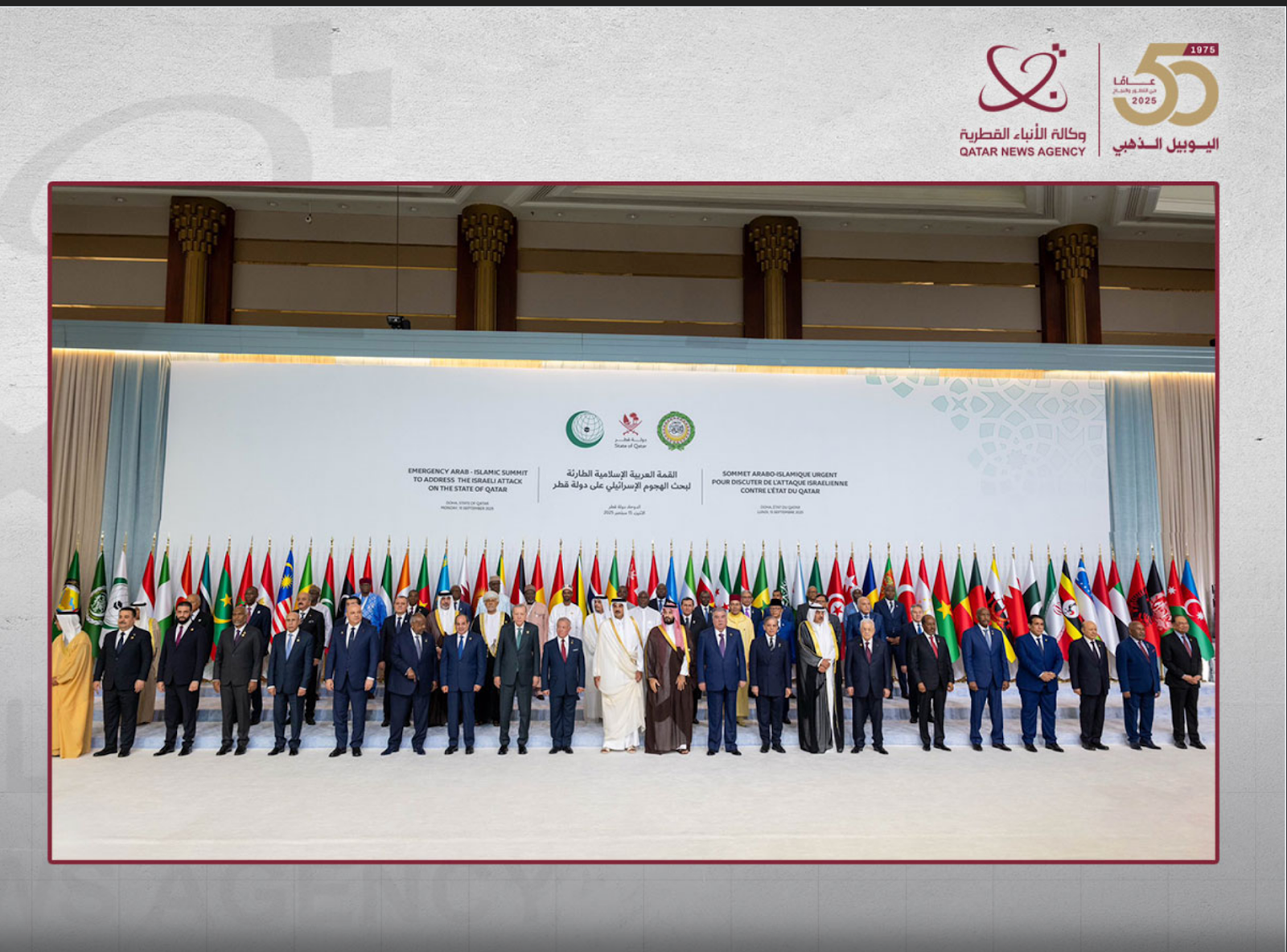
Doha summit: Arab unity in image
Sources tell Mada Masr why the Arab Summit failed to galvanize Arab unity

Sudan Nashra: Military pushes west, launching 4th phase in war | RSF mobilizes special forces in West Darfur to counter military’s advance west | Jordan takes lead in Arab League mediation between UAE, Sudan
The military has launched a fourth phase of its war against the Rapid Support Forces (RSF), according to two high-ranking military officials…
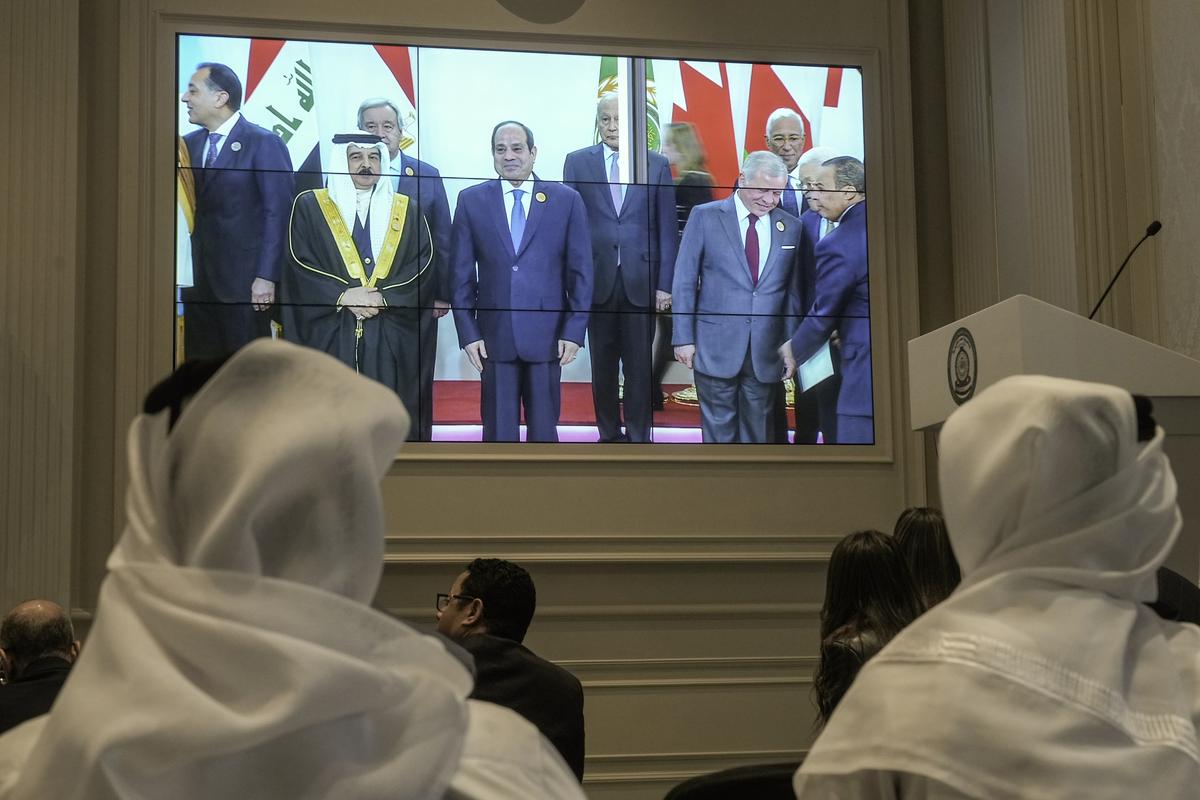
Arab states sign off on Gaza reconstruction plan, postponing details to ‘as soon as possible’
The emergency Arab League summit concluded in Cairo with some Arab leaders notably absent
Your support is the only way to ensure independent, progressive journalism survives.
You have a right to access accurate information, be stimulated by innovative and nuanced reporting, and be moved by compelling storytelling. Subscribe now to become part of the growing community of members who help us maintain our editorial independence.
Join us