
Ancient nobleman’s tomb discovered by satellite imaging in Giza
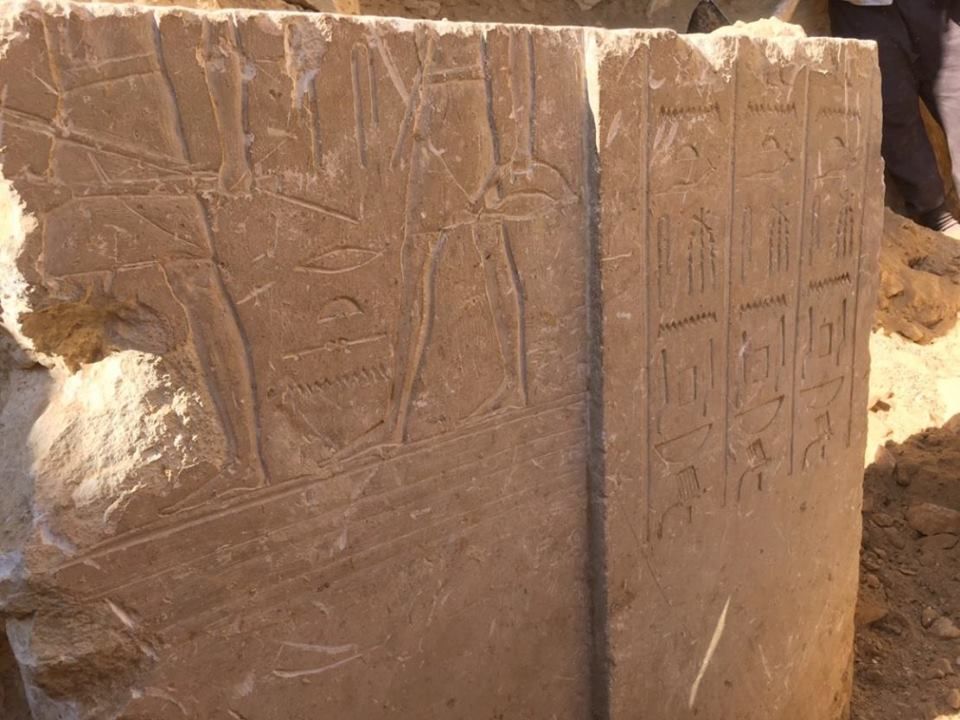
Using advanced satellite image technology, a joint team of Egyptian and American archaeologists unearthed an ancient nobleman’s tomb in the Lisht necropolis of Giza, reportedly dating back almost 3,950 years.
The tomb was discovered in the vicinity of the pyramid of Pharaoh Senusret I, who reigned Circa 1971 BC-1926 BC, from the 12th Dynasty of Ancient Egypt’s Middle Kingdom. This nobleman was likely part of the royal court or entourage of Senusret I, the Antiquities Ministry said in a statement on Tuesday.
The name of the nobleman hasn't yet been disclosed, although photos of his tomb reveal it is carved into earthen rock and intricately engraved with hieroglyphic inscriptions and murals. These inscriptions indicate that the tomb’s owner was a senior statesman, as he is described as “the bearer of royal seals.” Leading to the nobleman’s tomb is an ascending pathway constructed of mud bricks.
The tomb was discovered through the use of satellite imagery; part of the ministry’s plan for the preservation and documentation of artifacts in the area, to safeguard them from illegal excavators.
Head of the American archaeological team involved in the excavations, Sarah Parcak — from the University of Alabama, refers to herself as a “space archaeologist.” Parcak says she hopes to help train Egypt's Antiquities Ministry employees in the use of satellite imagery to help with future discoveries.


أخبار ذات صلة
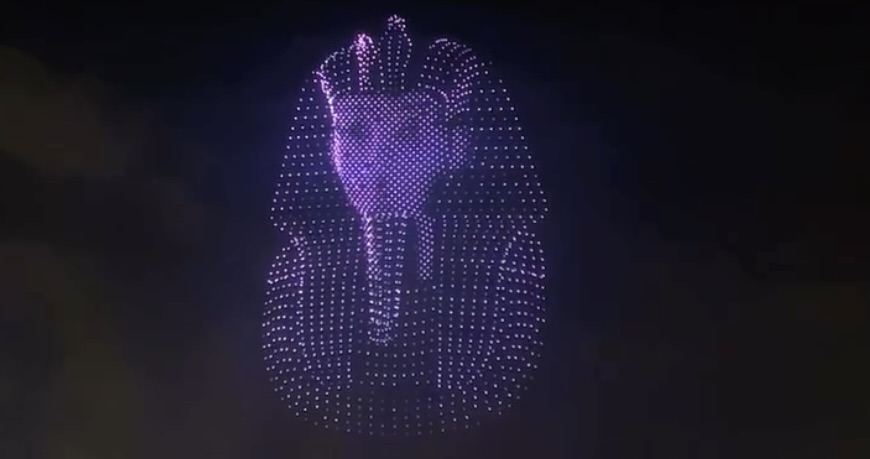
Staging a grand opening for the grand museum
In Cairo, sidewalks have been repainted, screens set-up and security measures tightened. People living nearby say fireworks have been test-run in Giza.…
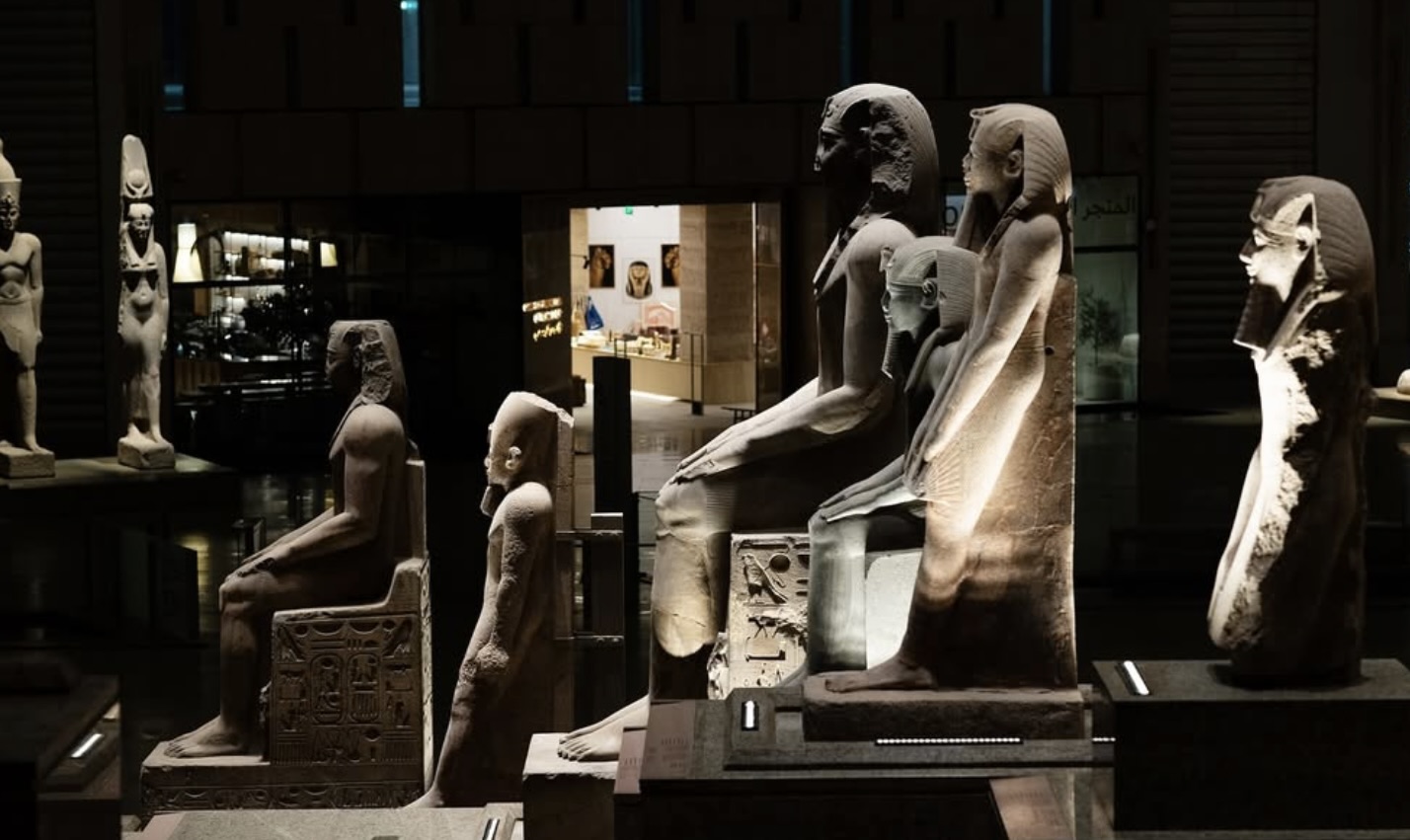
All around the Grand Egyptian Museum
The museum will not be open to visitors until after the three-day celebration
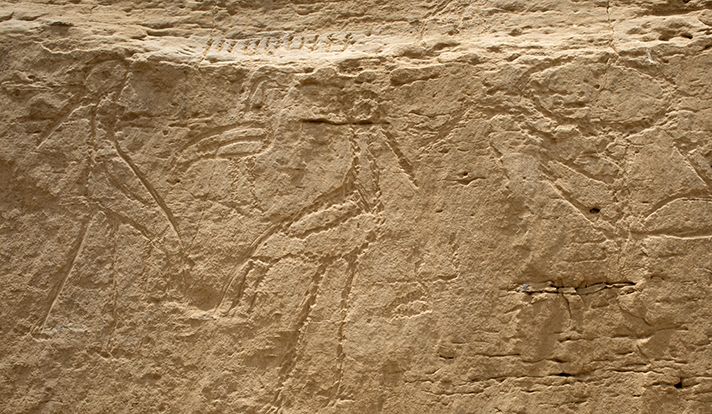
5,200-year-old rock inscriptions discovered in Luxor Governorate
A joint expedition of archaeologists from Yale University and the Royal Museums of Art and History was able to excavate several panels of rock…
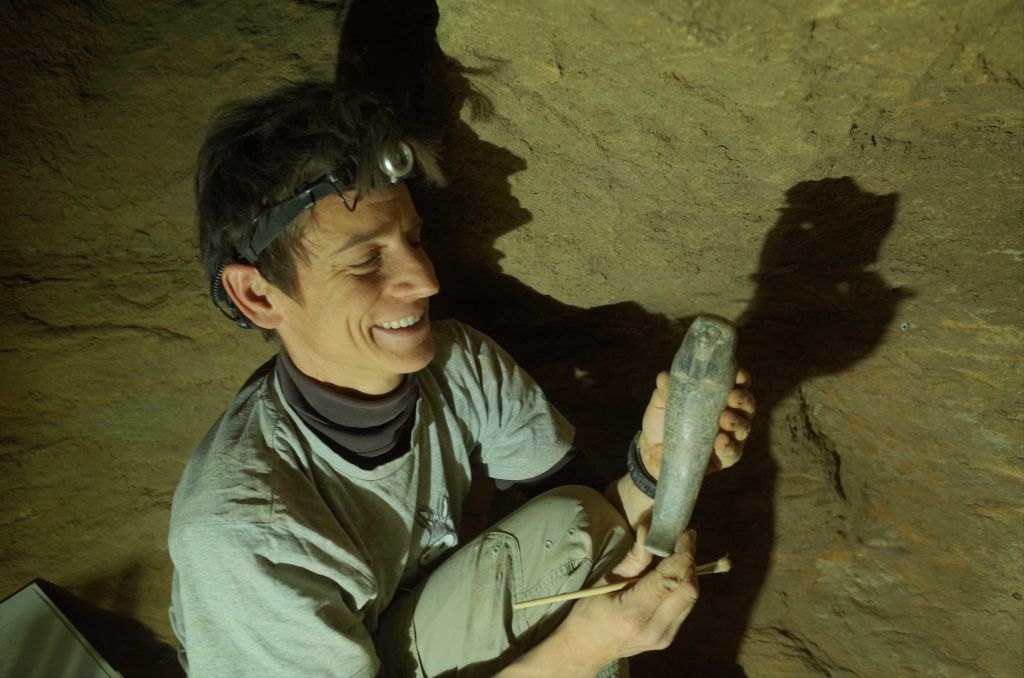
Ancient Egyptian gold workers’ tomb excavated on island in Sudan
An ancient tomb reported to contain the mummified remains of at least 12 Egyptian gold workers has been excavated in Sudan
Your support is the only way to ensure independent, progressive journalism survives.
You have a right to access accurate information, be stimulated by innovative and nuanced reporting, and be moved by compelling storytelling. Subscribe now to become part of the growing community of members who help us maintain our editorial independence.
Join us