
Absence of justice under Mansour, says rights group
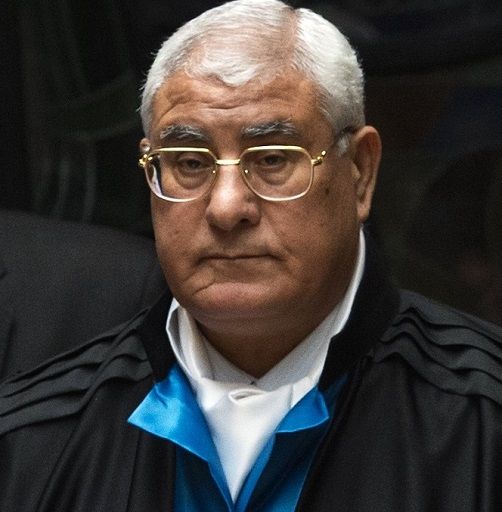
Interim President Adly Mansour has failed to establish the foundations for a state where justice and the rule of law prevail, the Arab Network for Human Rights Information (ANHRI) said in a report issued Sunday to mark 100 days after Mohamed Morsi’s ouster.
ANHRI said Mansour holds full responsibility for the absence of justice and the rule of law, just as his predecessors Hosni Mubarak, the Supreme Council of the Armed Forces and Mohamed Morsi are also held responsible for violations committed during their respective rules.
The report, “Unjust laws and double standards: Justice in 100 days under the judge’s rule,” traces violations of freedom and human rights under Mansour’s rule manifested in laws issued, actions taken and ministerial decrees, “which mar the era of the first president with a judicial background — era of the absence of justice and the rule of the law.”
The report cites laws and decrees issued under Mansour which it deems a violation of human rights and freedom, including the extension of detention pending investigations, the law issued to fight terrorism which included amendments to Article 86 in the Penal Code, the protest law, emergency law, as well as the granting of arrest powers to some government employees.
In its report, ANHRI also details practices that violate justice including holding investigations inside prisons and the lack of guarantees for fair trials. The report details testimonies by lawyers who attest to the poor conditions of places of detention and poorly-conducted investigations.
The report also cites military trials, the incommunicado detention of Morsi, the alliance between the prosecution and police forces, pointing by way of example to fabricated cases, the excessive use of violence and arbitrary arrests.
The arrest of Haytham Mohamadeen, a labor lawyer and a leading figure of the Revolutionary Socialists movement, in September at an army checkpoint is a prime example of the targeting of activists, the report says.
Several publishing bans were also listed in the report, including one on certain sessions of the trials of former presidents Morsi and Mubarak, in July and September respectively.
The report also condemned the crackdown on journalists, such as Al-Masry Al-Youm correspondent in North Sinai governorate Ahmed Abu Deraa who received a suspended sentence in a military court on charges of “deliberately spreading abroad false news, reports and rumors about the domestic situation in the country and spreading false news on an Arabic satellite channels about the Armed Forces and the results of its operations in North Sinai during the army’s raid on the village of Sheikh Zayed.”
The report also condemns police violations, pointing in particular to the forced dispersal of the Rabea al-Adaweya sit-in by Morsi supporters as well as several accounts of torture and mistreatment.
Lack of transparency was also highlighted in the report, in particular with regards to the absence of information around violence that occurred at the Presidential Guard Headquarters and Nasr Road in July and the dispersal of the sit-ins in August.
Finally, the report traces the double standards in dealing with different cases, such as investigating those against the Morsi-era general prosecutor while ignoring other cases filed against judges accused of spreading false information.
The report also condemns the double standards employed in dealing with those held in detention, with Mubarak-era figures receiving better treatment than others.

أخبار ذات صلة
Fears mount for mental state of imprisoned blogger Mohamed Oxygen after refusal to attend mother’s funeral
“It’s true that remaining silent is his legal right, but it also indicates a level of despair"
Arabic Network for Humans Rights Information suspends activities after receiving ‘unofficial message’
Eid said he faced difficulties that made registration seem impossible.
Four more NGOs in the clear in decade-old foreign funding investigation
'We have yet to actually see our personal and NGOs’ assets unfrozen and travel bans lifted'
Government source: Authorities inclined to close long-running case targeting NGOs yet travel bans may remain
The case goes back nearly a decade
Your support is the only way to ensure independent, progressive journalism survives.
You have a right to access accurate information, be stimulated by innovative and nuanced reporting, and be moved by compelling storytelling. Subscribe now to become part of the growing community of members who help us maintain our editorial independence.
Join us