
95% of Cairo women have been sexually harassed, says survey
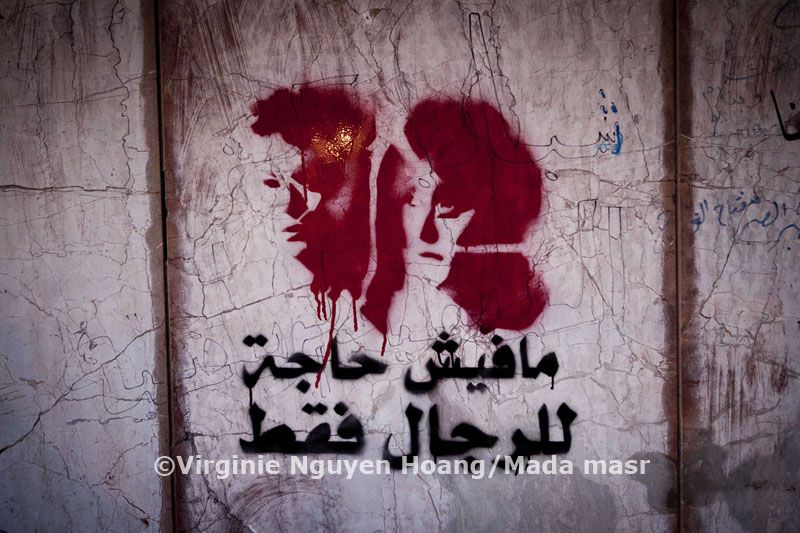
A survey shows that 95.3 percent of Cairo women have been sexually harassed, according to a study published by the anti-harassment initiative Harassmap — most often in broad daylight while walking down the street or riding public transport.
The study is based on a questionnaire distributed to 300 women and 150 men in the greater Cairo area. Out of the male respondents, 77.3 percent admitted to perpetrating sexual harassment.
As part of the study, Harassmap conducted 48 focus group discussions, which revealed that many respondents were more comfortable using the term of “sexual harassment” to refer to these violations, as opposed to the word “flirtation,” which is commonly used to refer to “lighter” forms of harassment.
“Many more women than men perceived actions such as catcalls, ogling and facial expressions as harassment, while male participants generally identified sexual harassment with physical harm,” the study suggested.
Well-educated and younger respondents reportedly offered a more “inclusive” definition of the endemic practice in Egypt.
A major finding of the study was that most respondents reported grave psychological consequences from harassment, with 81.8 percent saying they felt “upset or disgusted by their experience.”
A small percentage of those surveyed, 17.7 percent, reported that they intervened to prevent sexual harassment.
Women said the most common response to such violations was “doing nothing, followed by answering back and putting them [the assailants] to shame,” the study reported.
Few respondents said that they reported harassment to authorities, mostly due to fear of the social stigma.
Various reasons for the worsening endemic were given in the survey. According to the report, “63.3 percent of respondents attributed sexual harassment to harassers being poorly raised, 48.9 percent to a lack of religious awareness, 34.2 percent to sexual repression and 34.4 percent to a lack of control of the media.”
The American University of Cairo’s Social Research Center had released a similar study earlier this year on the prevalence of sexual harassment in areas of Ezbet al-Haggana, Mansheyet Nasser and Imbaba. In these areas, prevalence of sexual harassment was around 80 percent.
Conducted in collaboration with United Nations Entity for Gender Equality and Empowerment of Women, this study — titled “Safe cities free of violence against women and girls” — showed that women generally blamed themselves for sexual harassment.
Around 85 percent of those surveyed said that the way women dress is a major reason for sexual harassment, while a similar percentage said that the way they walk leads to harassment. Around 60 percent of respondents said that women encouraged men to sexually harass them, while around 90 percent of both male and female respondents attributed the widespread practice to other endemic social and economic problems like unemployment, security vacuum, drug addiction, media and lack of religious education.

أخبار ذات صلة
Between two fires: If you don’t want your harasser to be tortured
When one woman was sexually harassed this month in Cairo, she made an unusual move.
Untold stories of sexual harassment in Egypt’s newsrooms
Such stories are typical among Egyptian female journalists, but are often spoken about within closed circles, as many women fear the damage speaking out may do to their careers.

Professor at Helwan University to be investigated for sexual harassment
A professor at Helwan University’s Faculty of Fine Arts was referred to investigation last week following a campaign by students accusing him…

Anti-sexual harassment initiative to train Uber drivers in new partnership
The private car service Uber is teaming up with local anti-sexual harassment initiative Harassmap to train its drivers how to “recognize, prevent…
Your support is the only way to ensure independent, progressive journalism survives.
You have a right to access accurate information, be stimulated by innovative and nuanced reporting, and be moved by compelling storytelling. Subscribe now to become part of the growing community of members who help us maintain our editorial independence.
Join us