
70 people injured in Beni Suef train crash

A train on route from Cairo to Aswan crashed in the southern city of Beni Suef early Thursday morning injuring 70 people, the state-owned Middle East News Agency (MENA) reported.
The injured were transferred to Beni Suef and Nasser Central hospitals, with 58 of them released a few hours later and the others still receiving medical care, according to the Health Ministry.
The train hit a cement barrier while changing lanes, causing it to derail and the first two carriages to collide at a speed of 60 kilometers an hour, as it was in the process of slowing down in preparation for the next station, a security source told MENA.
Eyewitnesses blamed the train driver, who they say ignored instructions to stop from the railway control room, and was remanded in custody, according to security sources. The driver alleged the brakes failed as he was attempting to slow down, the state-owned Al-Ahram newspaper reported.
President Abdel Fattah al-Sisi ordered Prime Minister Sherif Ismail to form an emergency committee to investigate the incident and include the ministers of health and transportation, as well as the governor of Beni Suef, the privately owned Al-Masry al-Youm newspaper reported. Sisi promised a medical care package for the injured and ordered the immediate removal of the carriages from the track.
The state of Egypt’s railways has led to a number of fatal accidents in recent years. One of the most deadly was a train fire in Upper Egypt in 2002, which resulted in the deaths of hundreds of people.
Other incidents include a train collision with a school bus in the southern city of Assiut in 2012, which resulted in the deaths of 52 children. A military train crash in the Giza town of Badrasheen in 2013 also left 19 people dead and 120 injured, mostly military soldiers, who were heading home for the holidays. Later the same year, a train crash in the southern city of Dahshour resulted in the deaths of 26 people and the injury of 28 others when it collided with a car.
Another train collided with a school bus in Cairo in March 2015, killing seven people, including at least three children on a school trip from Tanta. A collision between a microbus and a train in Alexandria additionally resulted in one death and five injuries in July 2014.
There were 781 train accidents in Egypt in 2013, an increase of 74.7 percent from the 447 recorded in 2012, according to a report released by the state statistics agency CAPMAS. The increase in accidents happened despite the suspension of passenger train services following the dispersal of the Rabea al-Adaweya and Nahda Square sit-ins in August. Service was completely halted from August 14 until September 28, with many lines not coming back into operation until late November.
CAPMAS’ report blamed the state of Egypt’s railways for the fatalities, although more than 55 percent of train incidents recorded by the statistics agency in 2013 occurred at railroad crossings, where procedures are usually manually operated, resulting in a number of deadly accidents.

أخبار ذات صلة

Disputed status of Beni Suef church sparks sectarian violence
The disputed legal status of a church in Beni Suef sparked sectarian violence and 20 arrests
18 detained following sectarian violence in Beni Suef
Beni Suef prosecution ordered the detention of 18 people for four days following sectarian clashes in one of the governorate’s villages.
4 dead as police take control on Jan 25 anniversary
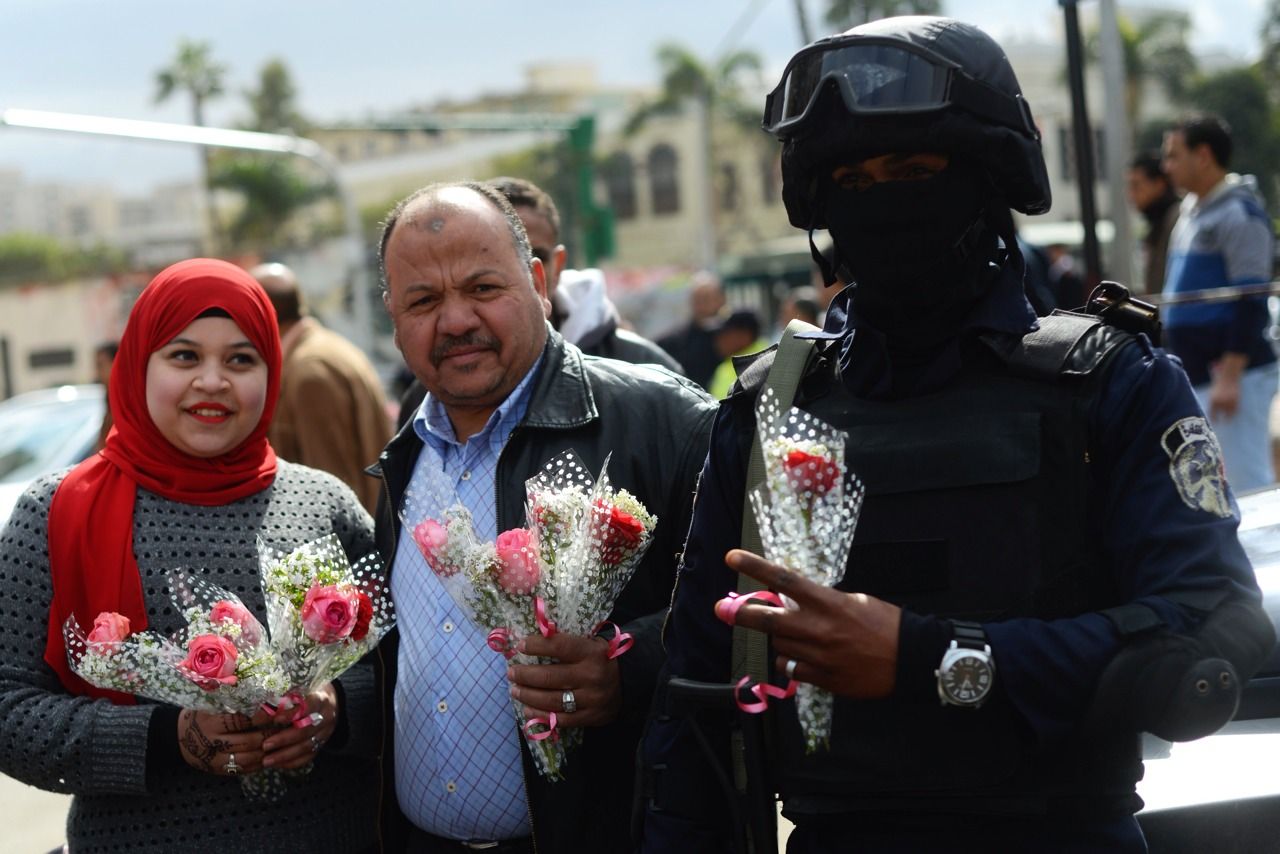
On the fifth anniversary of the January 25 revolution, it was the police that took to the streets, distributing flowers and chocolate amid…

Low turnout for re-run of parliamentary elections in 4 areas
Electoral re-runs are being re-held in Beni Suef City, Al-Wasta, Damanhour City and Raml district in Alexandria from December 5-7, due to…
Your support is the only way to ensure independent, progressive journalism survives.
You have a right to access accurate information, be stimulated by innovative and nuanced reporting, and be moved by compelling storytelling. Subscribe now to become part of the growing community of members who help us maintain our editorial independence.
Join us