
51 accused in Rabea operations room case placed on terror list despite 21 having received acquittals
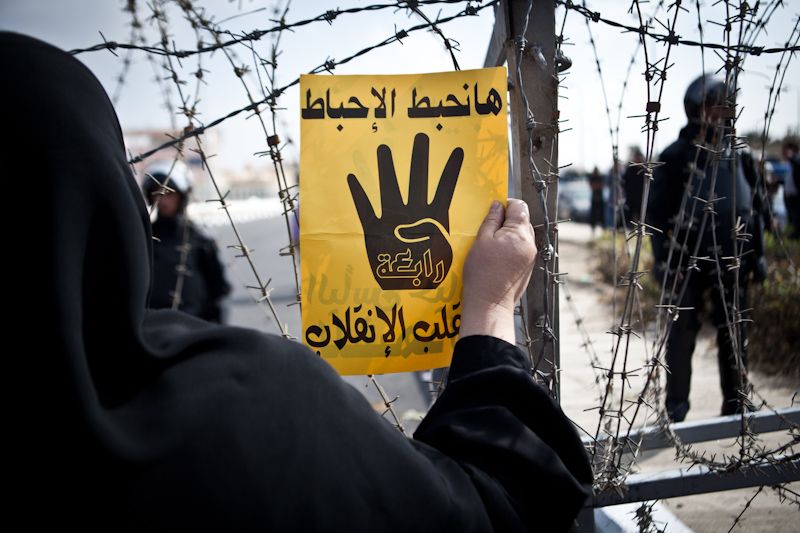
Eight months after the initial ruling was passed, 51 individuals said to be associated with the outlawed Muslim Brotherhood group were officially placed on Egypt’s terror list for a three-year period on Saturday. All were accused in the Rabea operations room case, and 21 of them were acquitted of terror charges earlier in May.
The ruling was initially issued by the Cairo Criminal Court on October 24, 2016. However, the court’s findings were only officially published in Al-Waqae Al-Masriya, which publishes the government’s judicial and legislative proceedings, on Saturday.
Article 5 of the Terrorist Entities Law (Presidential Decree 8/2015) stipulates that decisions to place individuals on Egypt’s terror list must be published in the periodical. The delayed publication of October’s ruling may be in violation of this law.
In addition to names, Al-Waqae Al-Masriya must publish information about how long people will remain on the terror list, any extension to these terms and information about hose removed from the list.
According to Article 7 of the same law, those placed on Egypt’s terror list will have their assets frozen, be issued a travel ban and have their passport cancelled or withdrawn, and be barred from obtaining a new one for a specified time period.
It is not immediately clear whether the 21 individuals acquitted of terrorism-related charges on May 8 are facing terror charges in other trials, or if they will remain on the list.
The privately owned Al-Shorouk newspaper reported that according to the court’s verdict many of those acquitted in May have already been released, and are not implicated in any other cases.
Several prominent names are among those cleared of terrorism-related charges, such as Saad al-Husseiny, a former member of Parliament and governor affiliated to the Muslim Brotherhood, Omar Hassan Malek, son of billionaire businessman Hassan Malek and Essam Mokhtar, a former Muslim Brotherhood MP.
Son of Khairat al-Shater, the Brotherhood’s second-in-command and multimillionaire business man Saad Khairat al-Shaater was also acquitted, as was Brotherhood spokesperson Gihad al-Hadad.
Scores of others have been issued harsh sentences in the Rabea Operations Room case, ranging from lengthy prison time to death sentences.
The Rabea operations room case dates back to the violent dispersal of the Rabea al-Adaweya and Nahda Square sit-ins in August 2013, which saw at least 1,000 protesters killed. Defendants were charged with forming an operations room from which they instructed Muslim Brotherhood members to resist the state and spread chaos in the wake of the dispersals.
Human rights groups have questioned the independence of Egypt’s judiciary in light of the case, with some organizations saying it was politicized from the onset.
The United Nations’ Working Group on Arbitrary Detention issued a statement in April calling for the release of nine journalists also detained in connection with the case. According to the statement the detention of these journalists is “arbitrary and a violation of their human rights.”
The Committee to Protect Journalists has also repeatedly called for the release of journalists being tried in cases related to the dispersal of the sit-in, among them photojournalist Mahmoud Abou Zeid, also knows as Shawkan.

أخبار ذات صلة
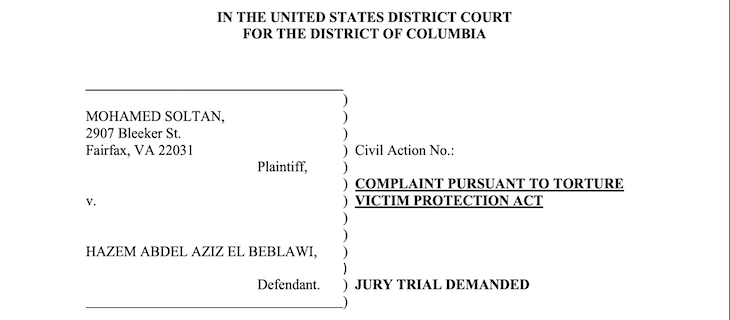
How a former Egyptian prisoner is trying to take an ex-prime minister to court in the U.S.
Both the governments of Egypt and the United States have intervened to have the case dismissed
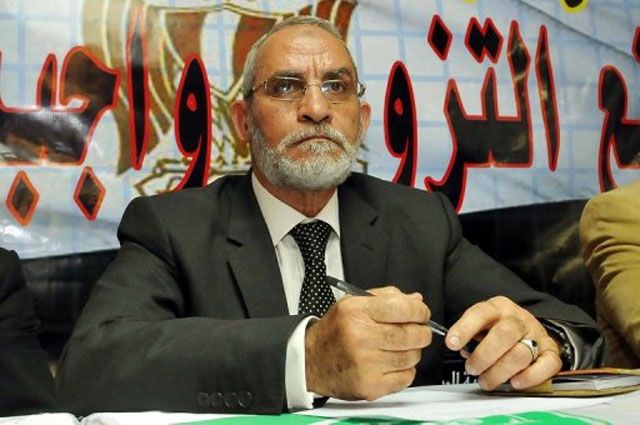
Court hands out less severe prison terms and acquits 21 in Rabea operations room retrial
Court sentences 15 to five years and three to life in prison, acquitting 21 others, in Rabea operations room retrial
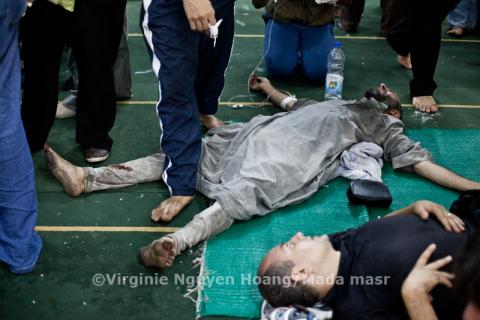
The Rabea sit-in dispersal: Who the state is blaming three years on
A look into the case file and conversations with defendants’ relatives and lawyers explain how the state is prosecuting the Muslim Brotherhood for the violent dispersal of its sit-in
Social media users rally to ‘stop’ infamous Judge Nagy Shehata
Mass life imprisonment and death sentences, blatant political biases and vote-rigging in the 2005 parliamentary elections are just a few of the violations notorious…
Your support is the only way to ensure independent, progressive journalism survives.
You have a right to access accurate information, be stimulated by innovative and nuanced reporting, and be moved by compelling storytelling. Subscribe now to become part of the growing community of members who help us maintain our editorial independence.
Join us