
Upper Egypt Copts more politically apathetic this referendum
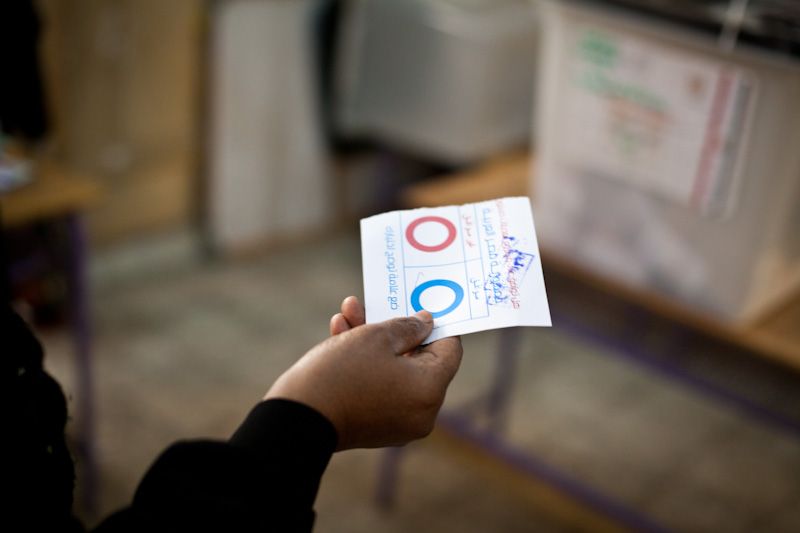
For the first time, the results of the referendum seem to be in favor of the Coptic community, whose voices were drowned out in other polls, although many Copts in Upper Egypt are feeling increasingly apathetic towards the entire political process.
Egypt’s Coptic community has mostly opted to reject previous constitutions and constitutional declarations, widely endorsed by the Islamists.
In 2012, the Muslim Brotherhood successfully mobilized millions of voters to ratify the draft constitution, in which the votes of Coptic Egyptians, who make up around 10 percent of the country's population, had little effect on results.
In the Upper Egyptian governorates, where Copts constitute a large portion of the population, reports by human rights organizations and complaints by the Coptic community suggest systematic harassment of Coptic voters, preventing them from voting during the reign of ousted President Mohamed Morsi.
Physician Andrew Azer from the Upper Egyptian governorate of Sohag explains that an unstable security situation in the governorate, as well as a general confidence that the draft constitution would pass, led to a low Coptic turnout this year.
Serious clashes broke out on the referendum’s first day on Tuesday between supporters of the Muslim Brotherhood and security forces in Sohag, as both sides exchanged gunfire, leaving four dead and dozens injured.
“In addition to the security issue, most of the Copts here feel that, with or without their votes, the draft constitution will be passed,” he says.
Activist Simon Samir in the southern governorate of Minya agrees with Azer. Samir explains that, despite the threats the Copts faced while voting on the 2012 constitution, they were more determined to vote then than they are now.
“Most Copts, especially those who live in the cities, felt more enthusiastic to vote and challenge all risks by religious extremists. Now, they know that the process is secure, the Brotherhood is ousted, and their future is in safe hands,” he explains.
He also added that the “general turnout in Minya is not as high as Cairo and Alexandria.”
Following Morsi's ouster, a wave of violence against Copts spread across the country, leaving tens of churches burnt. Hard line supporters of the Brotherhood allegedly besieged the highly Coptic-populated village of Delga in Minya for two months, burning down its church and the homes of many Coptic residents there, as well as forcing several others to flee the embattled village.
After two months, security forces stormed the Minya village and arrested dozens of residents for their involvement in sectarian violence.
Andrew believes Copts have been always “a card that the state plays when needed.”
“For the first time, some Copts feel that the state needs them in its fight with the Brotherhood, but at the same time, they know that their votes are not very decisive anyway,” he says.
But Minya-based journalist Mohammed Ali believes that Copts in the villages seem to be less politically apathetic than those in the cities.
“Copts in the villages now feel more encouraged than ever to vote in the referendum, as they have been backed by their religious leaders,” he explains, referring to a relatively large presence of both Muslim and Coptic religious leaders in the villages in front of polling stations.
For Ali, Copts witnessed an atmosphere of intimidation by extremist groups last year, he says, “which could be a reason why they felt more obliged to participate this time; they feel that they finally managed to challenge their fears."

Mai Shams El-Din
Mai graduated from the American University in Cairo with a degree in journalism. She worked mostly for local English-language news outlets but has also been writing in Arabic, particularly when…
تقارير ذات صلة
Voting in the dark: Ramming the constitutional amendments through
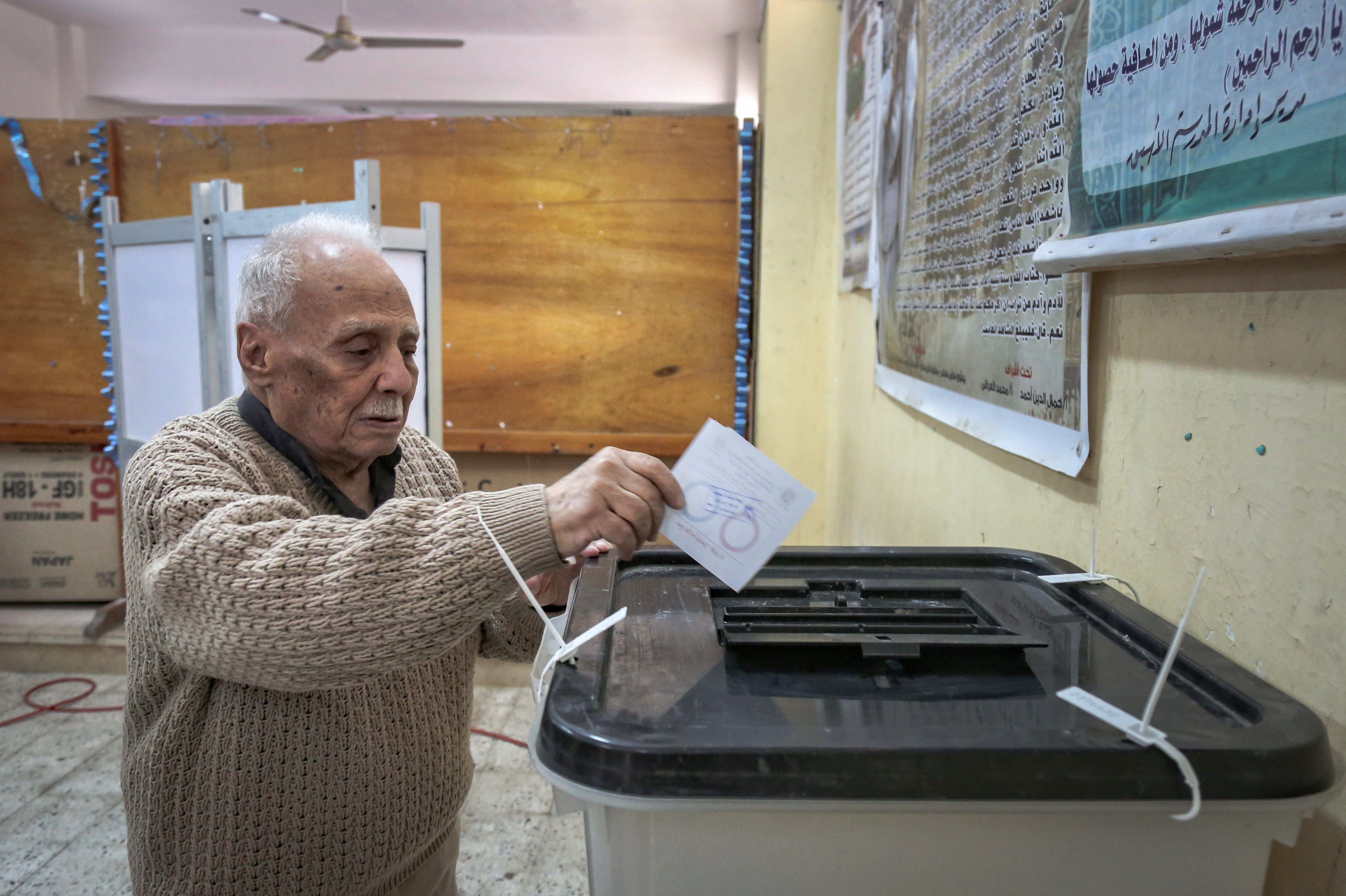
“What difference does it make what [voters] know or don’t know?” says one parliamentary source.
Ballot-box politics: What has pushed Egypt’s opposition to vote ‘no’?
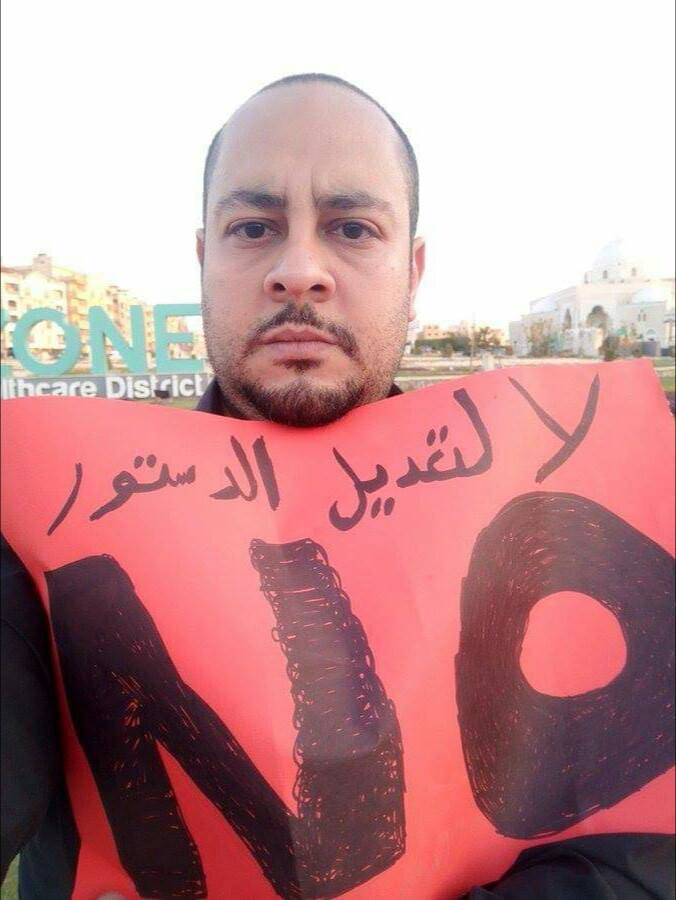
Unlike in previous votes, more opposition members are calling for a 'no' vote than for a boycott.
A disintegrating coalition: Rifts re-emerge after Dostour Party’s default leadership election
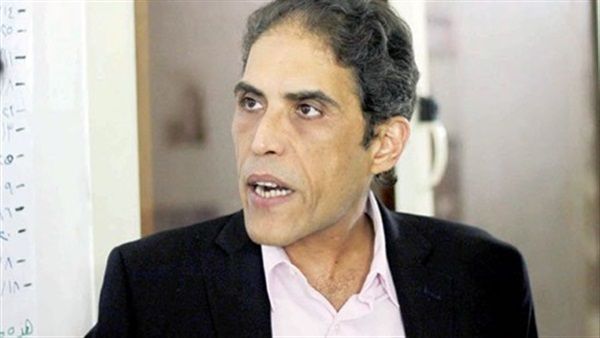
Rifts have re-emerged within the Dostour Party days after the default election of Khaled Dawoud as party president
Your support is the only way to ensure independent, progressive journalism survives.
You have a right to access accurate information, be stimulated by innovative and nuanced reporting, and be moved by compelling storytelling. Subscribe now to become part of the growing community of members who help us maintain our editorial independence.
Join us