
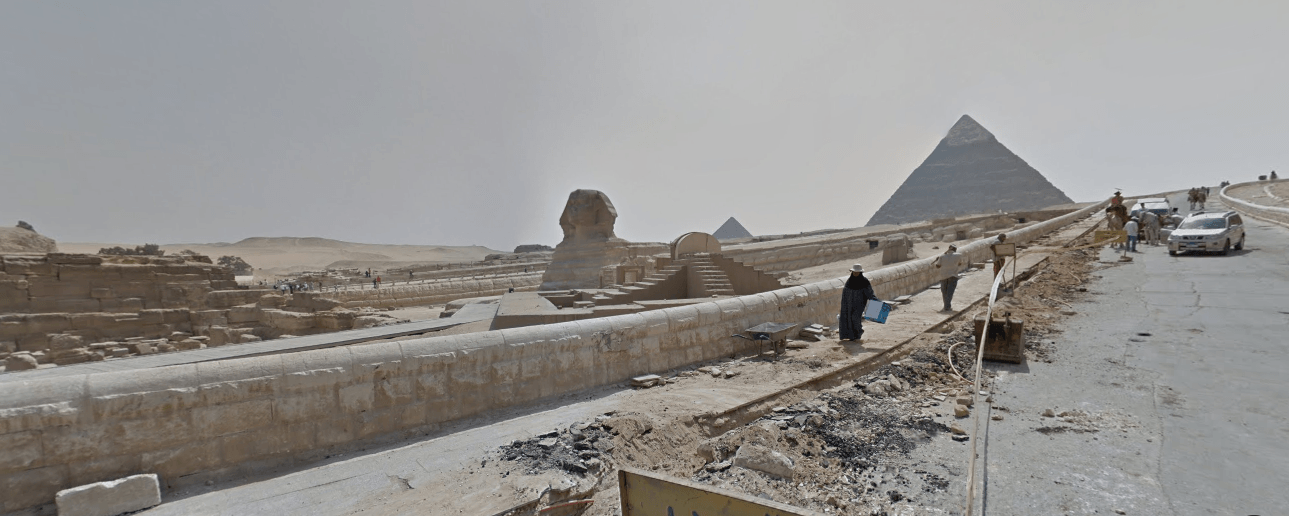
Introducing a series on Egyptology, archaeology and heritage management in Egypt
Neglect and mismanagement are accusations that permeate any discussion of Egypt’s cultural heritage.
When confronted with the crumbling buildings in Islamic Cairo, the apparently chaotic arrangement of artifacts in the Egyptian Museum, or piles of garbage and plastic bags whirling around the pyramids, the situation may indeed appear hopeless. The debacle surrounding the damage and shoddy restoration of King Tut’s mask at the Egyptian Museum seemed to cause a collective sigh in Egypt last year – no one was terribly surprised.
While there’s a degree of truth to such a narrative, it completely ignores the individuals and institutions tirelessly working to develop projects that are drastically improving Egypt’s cultural heritage management. Many archeologists, Egyptologists, art historians, conservators, and educators, working both within and without the Ministry of Antiquities at various archaeological sites and museums, are making a significant impact, yet their efforts are largely overlooked by the media and the public.
Most of these projects are small and focus on limited but substantive change. Ongoing efforts to digitize a collection, make a data set accessible to scholars, conserve a building, or implement an individual site management program may look insignificant if they are seen without the full context. Each of these projects develops new ideas and makes them work. This new generation of archaeologists and conservators are slowing effecting huge changes to the way Egypt cares for its rich heritage.
My monthly series, launching tomorrow on Mada Masr, will explore Egyptian cultural heritage projects that are making an impact, and highlight individuals who struggle daily to implement new strategies and develop sustainable heritage practices amid challenging circumstances. Examining how these individuals and their projects succeed will elucidate the current state of heritage management in Egypt — and inevitably touch on the lasting impact of the colonial histories of these fields, as well as differential access to archaeology, funding, jobs and education.
تقارير ذات صلة
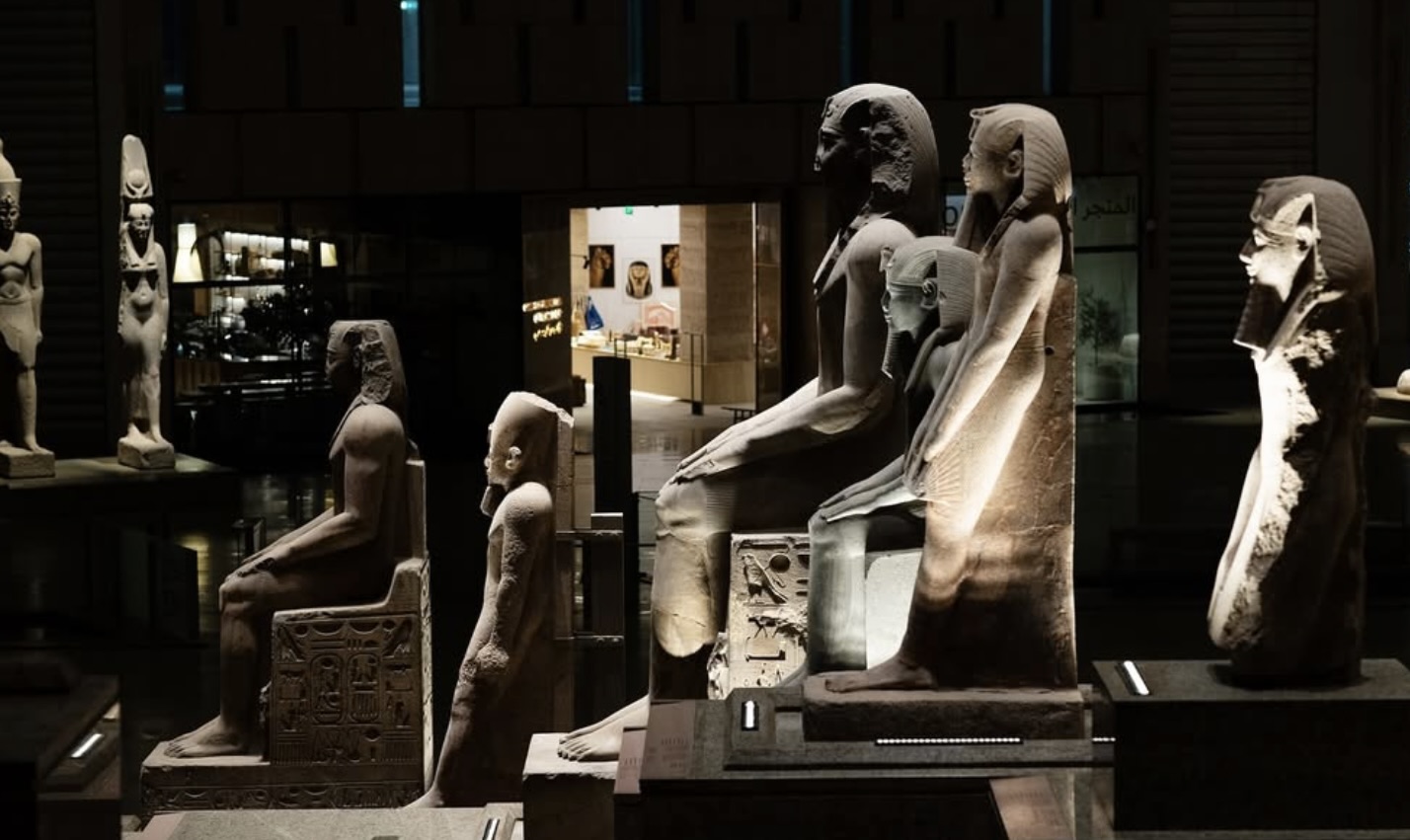
All around the Grand Egyptian Museum
The museum will not be open to visitors until after the three-day celebration
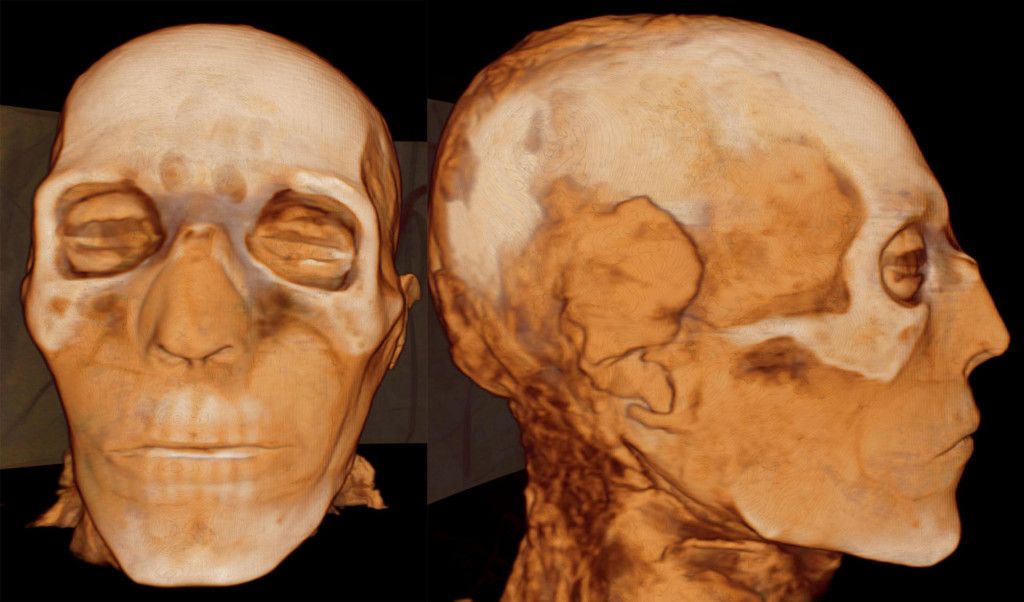
Scanning the Pharaohs: A new book on Zahi Hawass’s Egyptian Mummy Project
Beyond its initial surface appeal, this book demonstrates CT imaging and mummy research are vital in addressing unresolved historical problems.
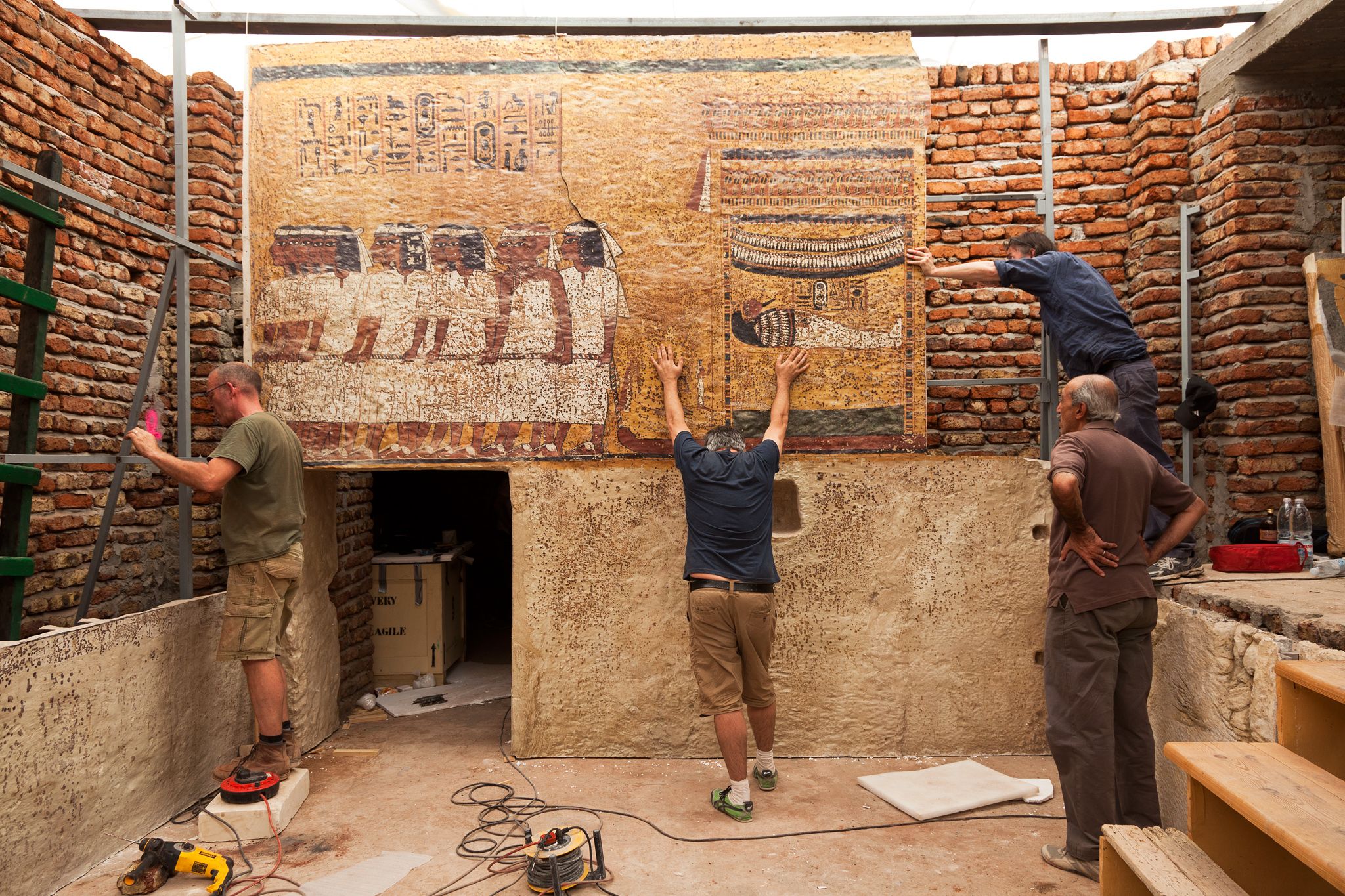
How the discovery in King Tut’s tomb is changing the field of Egyptology
Part 2 of Meredith Brand's article on what the recent scan results tell us about ancient Egypt and Egyptology today.
Your support is the only way to ensure independent, progressive journalism survives.
You have a right to access accurate information, be stimulated by innovative and nuanced reporting, and be moved by compelling storytelling. Subscribe now to become part of the growing community of members who help us maintain our editorial independence.
Join us